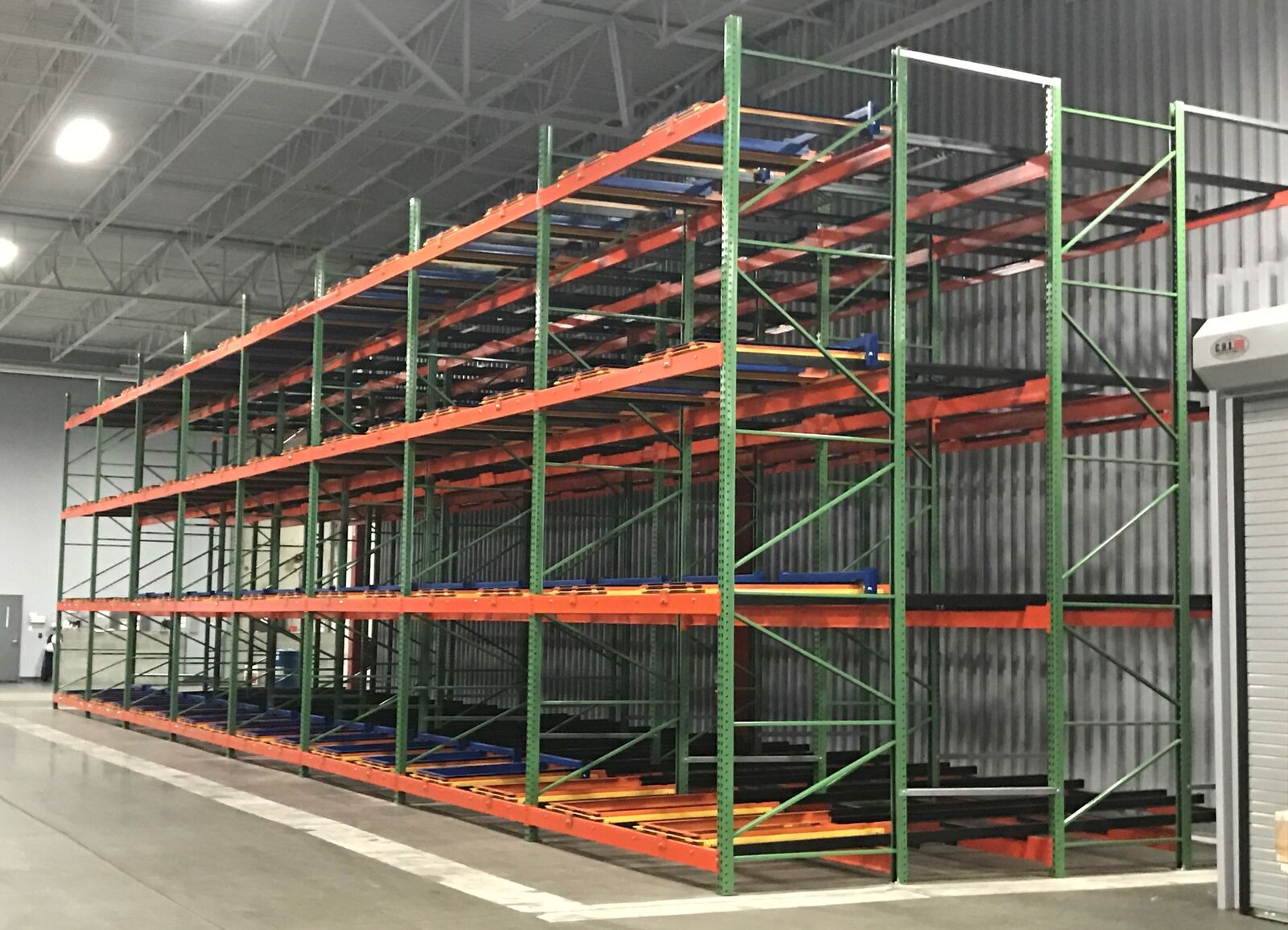
Pushback Rack in Sapulpa, OK
Pushback rack in Sapulpa can concentrate repeating packaging or manufacturing pallets while keeping freight staging separate from reserve. I-44 and the Turner Turnpike connect regional stock movements, but a building’s glass-supply, packaging and manufacturing loads may differ in both weight and retrieval needs. We group those requirements before choosing how many pallets belong behind each aisle face.
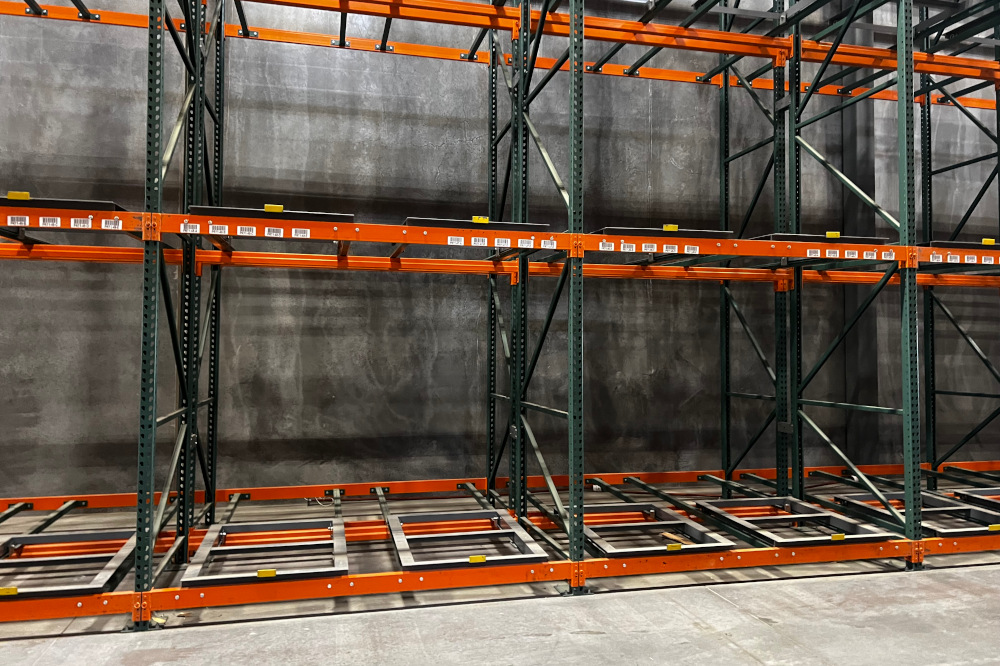
With push back racking, nested carts run over inclined rails. Incoming loads push earlier pallets into the lane, then gravity presents the next load as the front pallet is removed. This is LIFO storage, not direct access to every pallet in the block.
Pushback Rack for Sapulpa Freight Reserve
A Sapulpa reserve layout should distinguish the quantity arriving on a truck from the quantity remaining in storage after dispatch. Some stock may pass through a staging area; other pallets stay across several replenishment cycles. The I-44 connection is relevant to freight coordination, but that internal stock pattern determines useful depth. We compare the required item faces and retain space for outbound preparation before counting the positions available to carts.
We belong to Warehouse Equipment & Supplies Co. as a division of its business supplying and installing since 1997. For pushback rack, the consultation results in a configuration you can examine by load group, not a generic claim of density. Glass and packaging supply deserve separate weight and pallet-support checks even when their footprints look similar. The written proposal explains those inputs and shows which stock remains selective or needs FIFO. A clear comparison should expose where deeper storage introduces a retrieval or occupancy compromise.
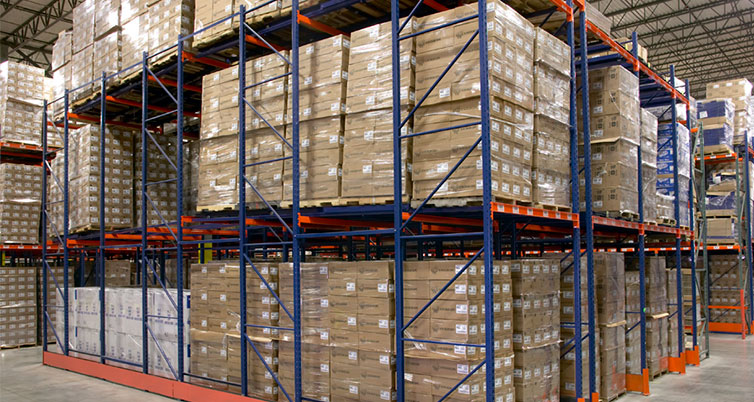
Operations We Rack Around Here
I-44 arrivals and Turner Turnpike dispatch should be considered together with packaging and glass-supply load differences when reserve positions and working floor space are allocated.
Pushback Rack Depth After Receiving and Dispatch
Pushback pallet rack generally supports depths from 2–6 pallets. Lane allocation follows normal pallets per SKU and the acceptable dispatch sequence. Fewer aisles can suit repeated manufacturing reserve, whereas mixed assortments often benefit from selective access. A drive-in comparison is useful where large homogeneous quantities can justify a different truck-handling method.
Separate arrival and reserve
Identify pallets that remain after inbound stock is sorted and dispatched. A freight batch can contain passing loads that do not justify permanent lane depth.
Allocate by recurring SKU
Compare ordinary reserve quantities with the independent faces available. Underfilled lanes can consume space without providing flexibility for another item.
Check the heavier format
Review support using the maximum load and actual pallet underside. Packaging reserve and heavier manufacturing supply should not share assumed ratings without that check.
Keep freight staging visible
Retain unloading and dispatch preparation beside the storage block. Fewer internal aisles do not remove these working-floor requirements.
A Pushback Rack Quote with Load Assumptions
The pallet review includes loaded length, width, height and the heaviest complete weight, plus runner and bottom-deck details. Nested carts need suitable support beneath the actual pallet. Different packaging or concentrated load areas can change the equipment requirement without changing the product’s name. We identify the accepted formats in the proposal rather than assume that every pallet entering the building fits one cart system.
A beam pair is evaluated for its level load, while frame capacity follows the selected height and beam spacing. More rack height or heavier reserve changes the configuration review. If the project adds to existing selective rows, labels and connector photographs help establish compatibility; teardrop systems from different manufacturers are not universally interchangeable. The layout distinguishes new components from the arrangement being retained.
Installation planning covers unloading, assembly room and the working area your operation can release. Experienced crews we schedule and manage install the agreed configuration, anchored to the floor.
Recent Installations
Racking projects completed for warehouses across the Tulsa metro and northeastern Oklahoma.


Sapulpa Pushback Rack: Layout and Pricing
For a Sapulpa CAD comparison, send normal stock per item, the maximum pallet load and a building arrangement showing doors and available height. The free consultation will compare lane depth with staging needs. An itemized quote identifies the cart system, supporting rack and installation inclusions for the layout under review. Call (918) 296-8162.
Tulsa Pallet Rack
3171 S 129th E Ave.
Ste A #5316
Tulsa, OK 74134
(918) 296-8162Monday - Friday: 8:00 AM - 6:00 PM
Pushback Rack Decisions for Sapulpa
Other Rack Types We Supply in Sapulpa
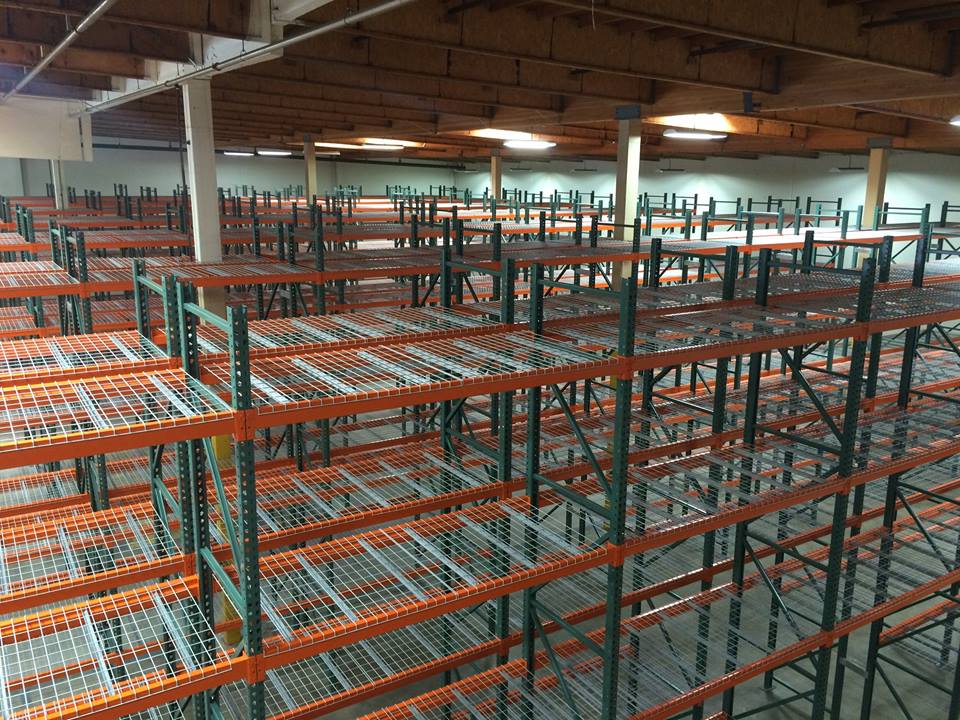
Pallet Rack
Every pallet reachable, every time. The baseline we size everything else against.
View details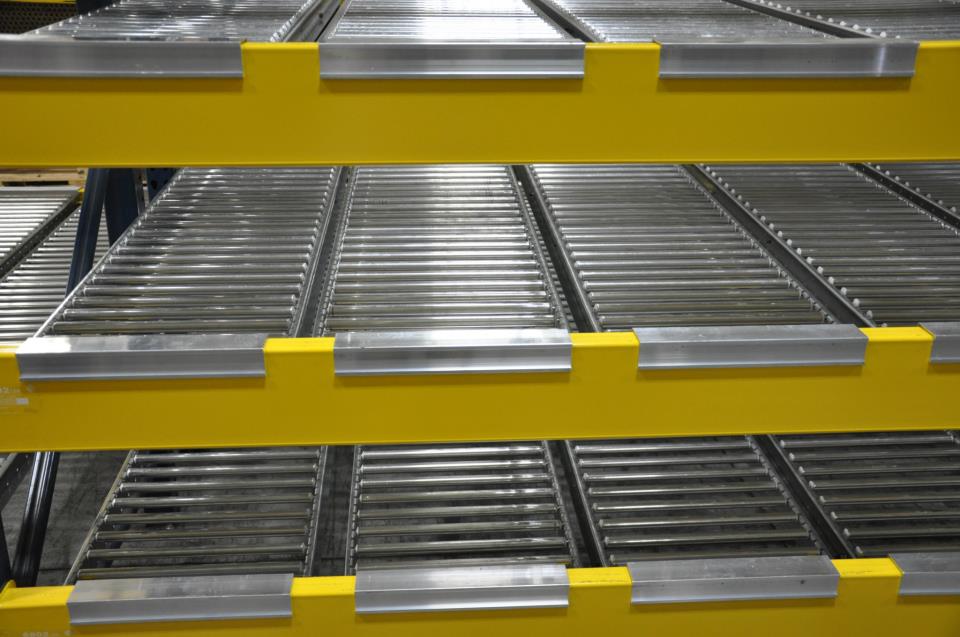
Carton Flow Rack
Cases advance to the picker instead of the picker hunting for cases.
View details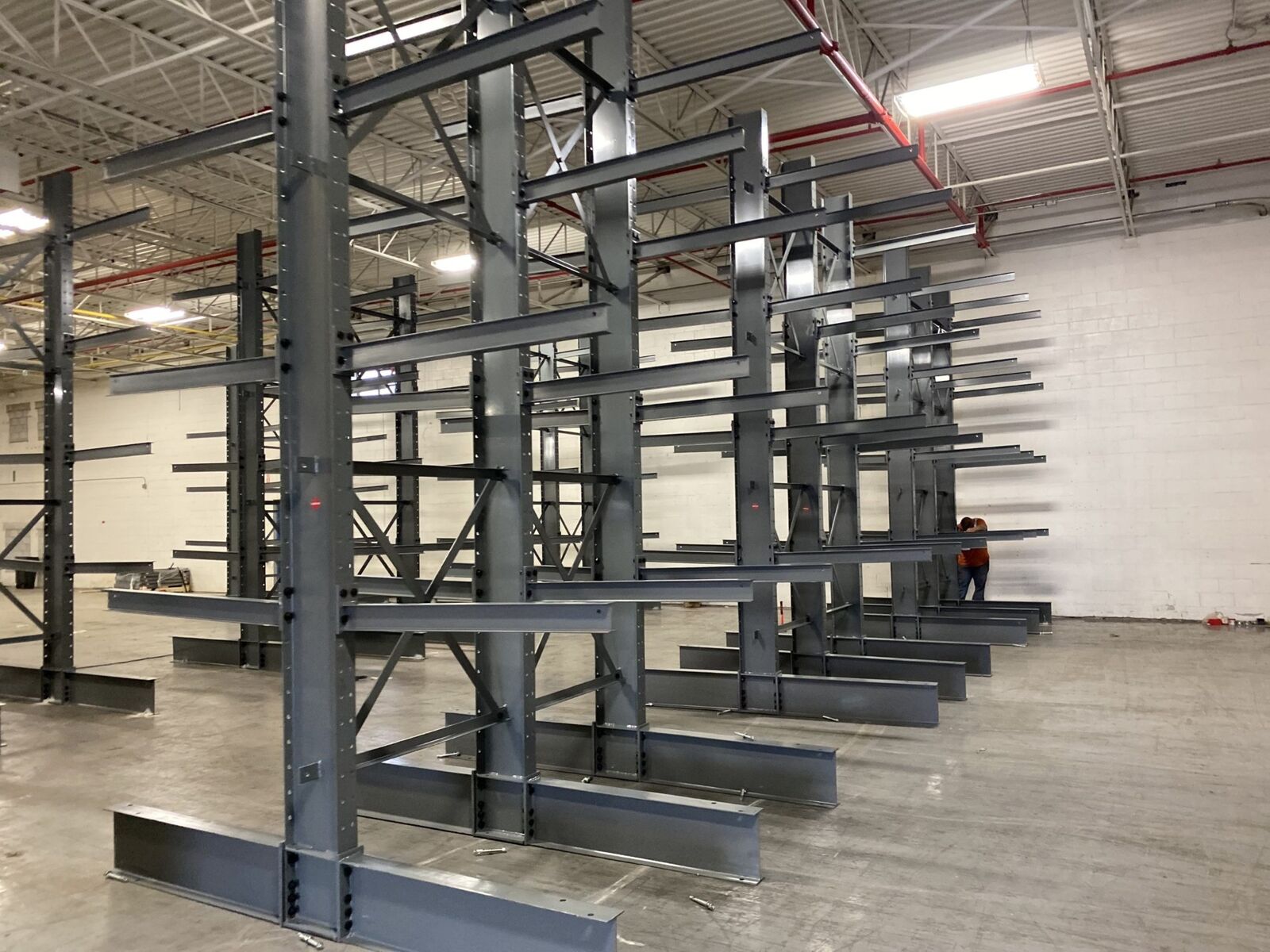
Cantilever Rack
Arms with nothing in front of them, built for lumber, pipe, and anything a pallet can't hold.
View details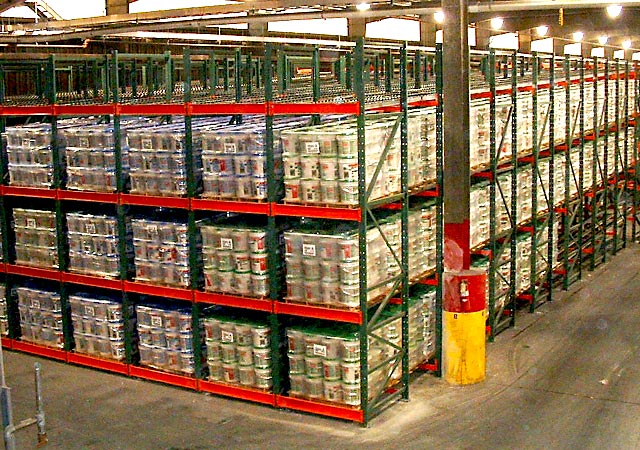
Pallet Flow Rack
Load one side, pick the other, and let gravity enforce first in, first out.
View details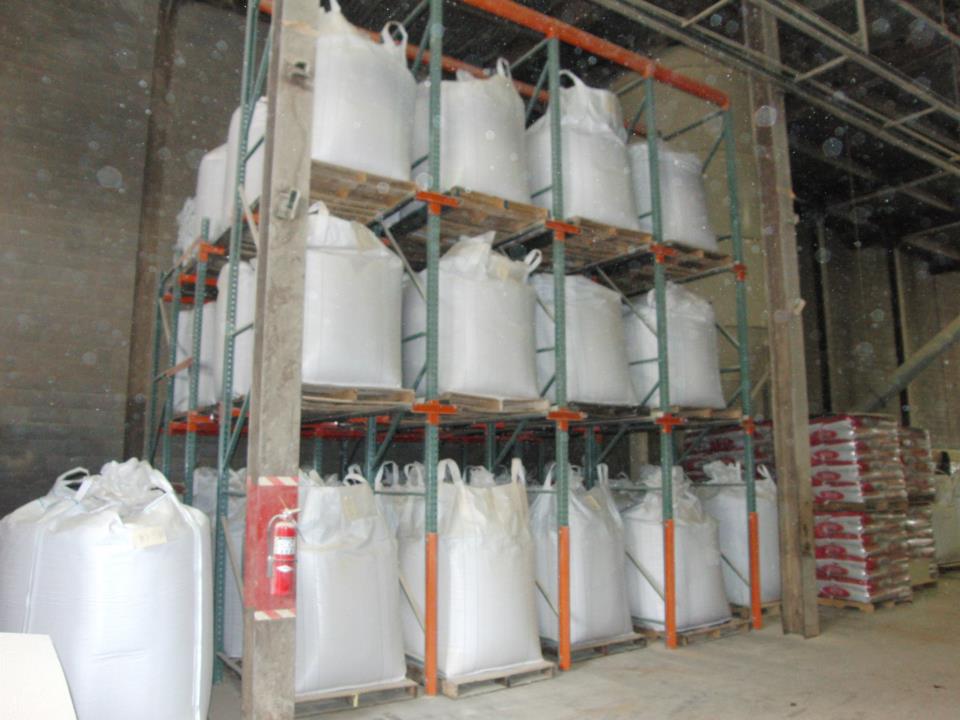
Drive-In Rack
Deep storage lanes for bulk inventory, with access aisles around the rack block.
View detailsNearby Areas We Also Serve
Our delivery and installation territory covers the Tulsa metro and northeastern Oklahoma, with project scope and timing agreed for each building.
Where We Work
Located in Tulsa, we serve the entire Tulsa metro with industrial pallet racks and warehouse storage solutions.
Tulsa Pallet Rack
Address
3171 S 129th E Ave.
Ste A #5316
Tulsa, OK 74134
Phone
(918) 296-8162Business Hours
Monday - Friday: 8:00 AM - 6:00 PM
Saturday: Closed
Sunday: Closed
Need Pushback Rack in Sapulpa?
Call (918) 296-8162 or request a quote and we will get a layout started.