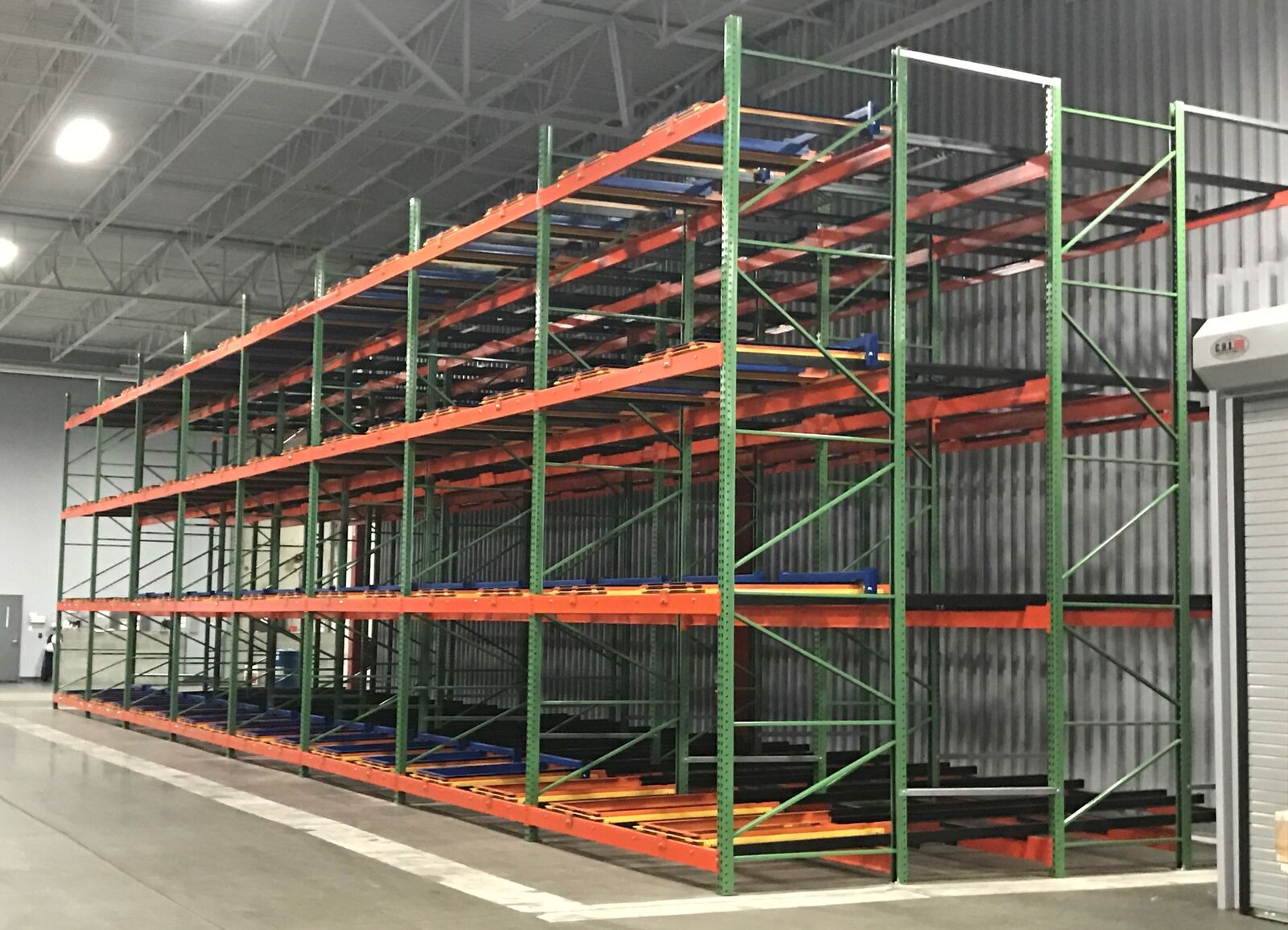
Pushback Rack in Broken Arrow, OK
Pushback rack in Broken Arrow needs to accommodate manufacturing reserve without blocking the components that production requests individually. Along SH-51 and the Muskogee Turnpike, a storage plan may need to distinguish incoming supply, finished pallet loads and food-distribution inventory. Those groups do not necessarily share a rotation requirement. We assign deep reserve only after establishing which products tolerate last-in, first-out handling.
In pushback pallet rack, nested carts travel on inclined rails. A newly loaded pallet moves existing carts farther into the lane, and unloading brings the next load forward. The truck works from the aisle rather than entering the storage structure.
A Broken Arrow Pushback Rack Scope
A useful layout shows the proposed lane quantity, loads per level and access face for each reserve group. It also shows what remains outside the cart block: staging, production supply and stock requiring FIFO. Total positions alone cannot explain whether the configuration will hold the inventory without excessive vacant lane depth. We compare normal quantities and peaks so the drawing is not based entirely on an exceptional delivery.
The component review connects pallet dimensions and runner construction with cart support. Load weight and beam spacing determine the structural configuration, with beam-pair capacity distinguished from the frame’s overall capacity. Taller rack needs a separate review of the truck’s lift reach and the available loaded-pallet clearance. Increasing height does not justify assuming that existing frames can carry the revised arrangement.
Before an installation is scheduled, we identify which building area can be cleared and where new material can be staged. Crews we schedule and manage assemble the agreed configuration and the rack is anchored to the floor.
Pushback Rack Across Different Building Heights
Broken Arrow includes older manufacturing and warehouse buildings as well as newer distribution space along its eastern connections. Their usable heights and column layouts can lead to very different rack arrangements, even with an identical stock list. We use the actual building information instead of applying the height of a newer bulk building to an established production warehouse. Door locations and the path from receiving to production also deserve their own space on the drawing.
This site operates as a division of Warehouse Equipment & Supplies Co., supplying and installing warehouse storage equipment since 1997. For a pushback rack proposal, we explain lane allocation, loading assumptions and access constraints before pricing becomes the only comparison. A food-distribution SKU requiring oldest-first dispatch should not be buried in LIFO reserve simply because dense storage looks attractive. Likewise, a manufacturing component needed by individual pallet should keep direct access rather than inherit the arrangement selected for finished goods.
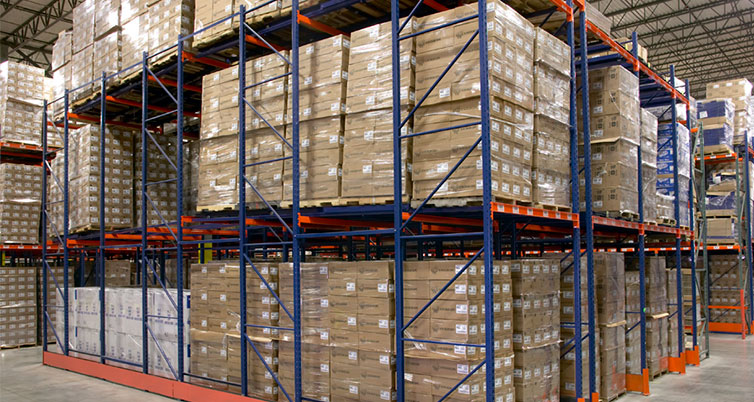
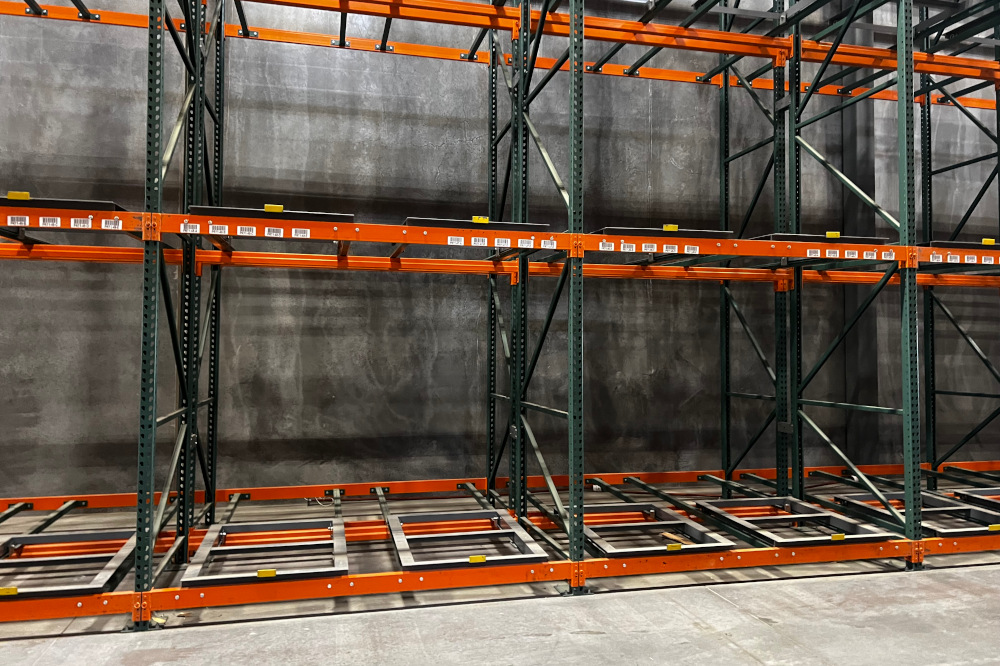
Operations We Rack Around Here
SH-51 production supply and Muskogee Turnpike distribution stock can share reserve space only when their pallet support and rotation requirements have been separated in the design.
Pushback Rack or Direct Pallet Access?
Push back racking offers lane configurations from 2–6 pallets deep. Fewer aisles can concentrate repeat finished stock, while separate lanes retain more item faces than a large undivided bulk block. Compare it with drive-in when quantities are very large and the SKU range is narrow; compare selective rows when individual pallet availability takes priority.
Separate rotation needs
Put dated distribution inventory and individually requested production loads into distinct groups. A shared delivery route does not make their retrieval requirements identical.
Relate depth to quantity
Select lane depth from recurring finished-goods pallets per SKU. Keep enough independent faces to prevent slow items from reserving large empty sections.
Review pallet contact
Confirm how each loaded pallet sits on the nested carts. Packaging changes and runner differences must be considered before alternative loads enter the lanes.
Compare usable height
Match rack levels to the actual building and truck reach. Count loaded clearances rather than using the shell height as available storage.
Recent Installations
Racking projects completed for warehouses across the Tulsa metro and northeastern Oklahoma.


Broken Arrow Pushback Rack: Layout and Pricing
For Broken Arrow, send the load list and building layout together so height, lane depth and production access can be reviewed in one CAD drawing. The free consultation leads to an itemized proposal, with new rack material and installation inclusions stated rather than implied by a position count. Call (918) 296-8162.
Tulsa Pallet Rack
3171 S 129th E Ave.
Ste A #5316
Tulsa, OK 74134
(918) 296-8162Monday - Friday: 8:00 AM - 6:00 PM
Pushback Rack Decisions for Broken Arrow
Other Rack Types We Supply in Broken Arrow
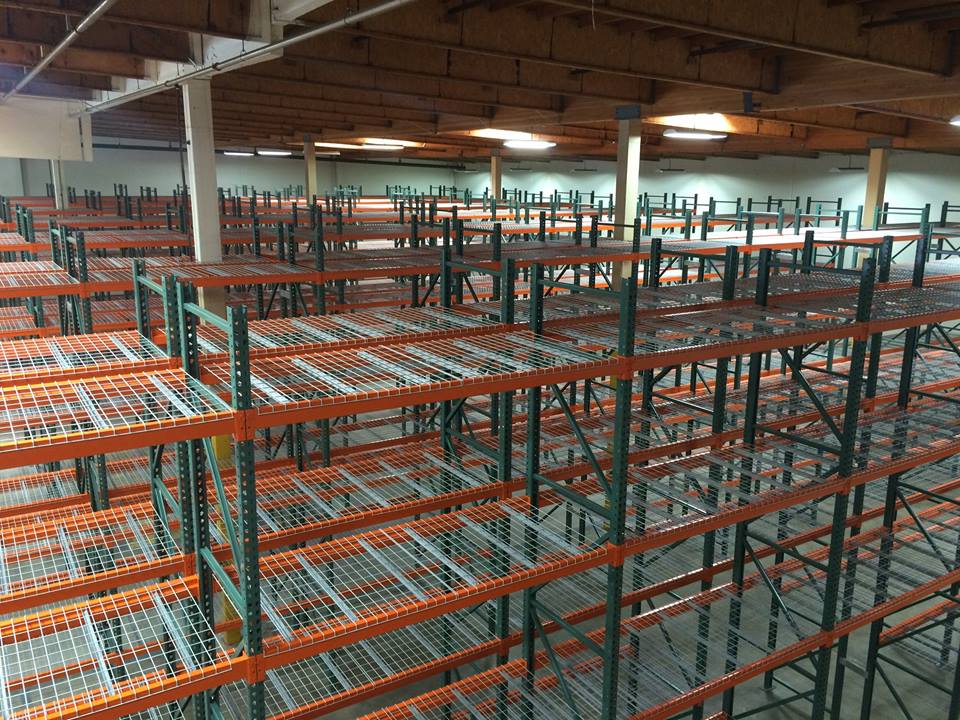
Pallet Rack
Every pallet reachable, every time. The baseline we size everything else against.
View details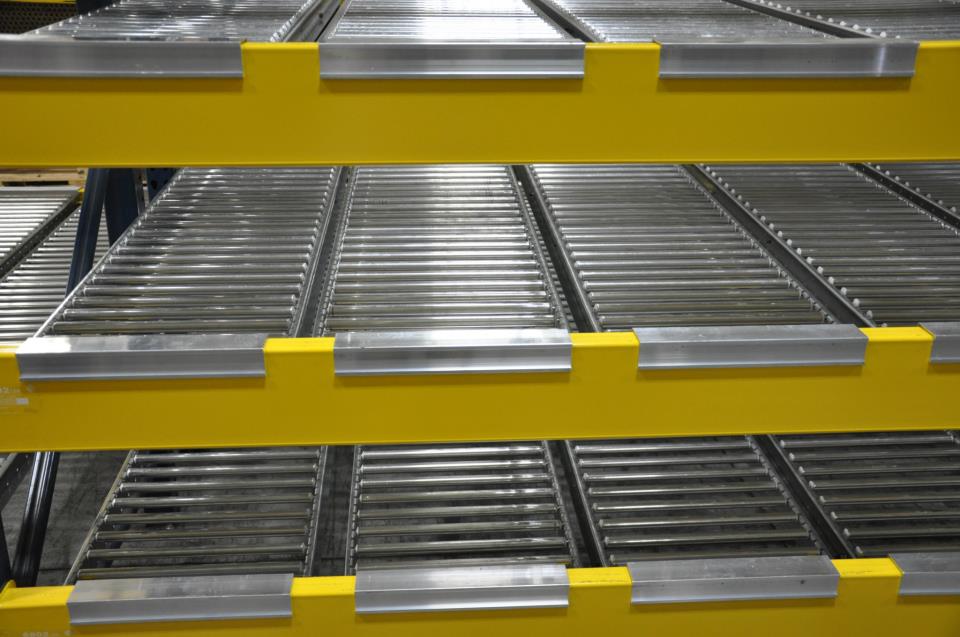
Carton Flow Rack
Cases advance to the picker instead of the picker hunting for cases.
View details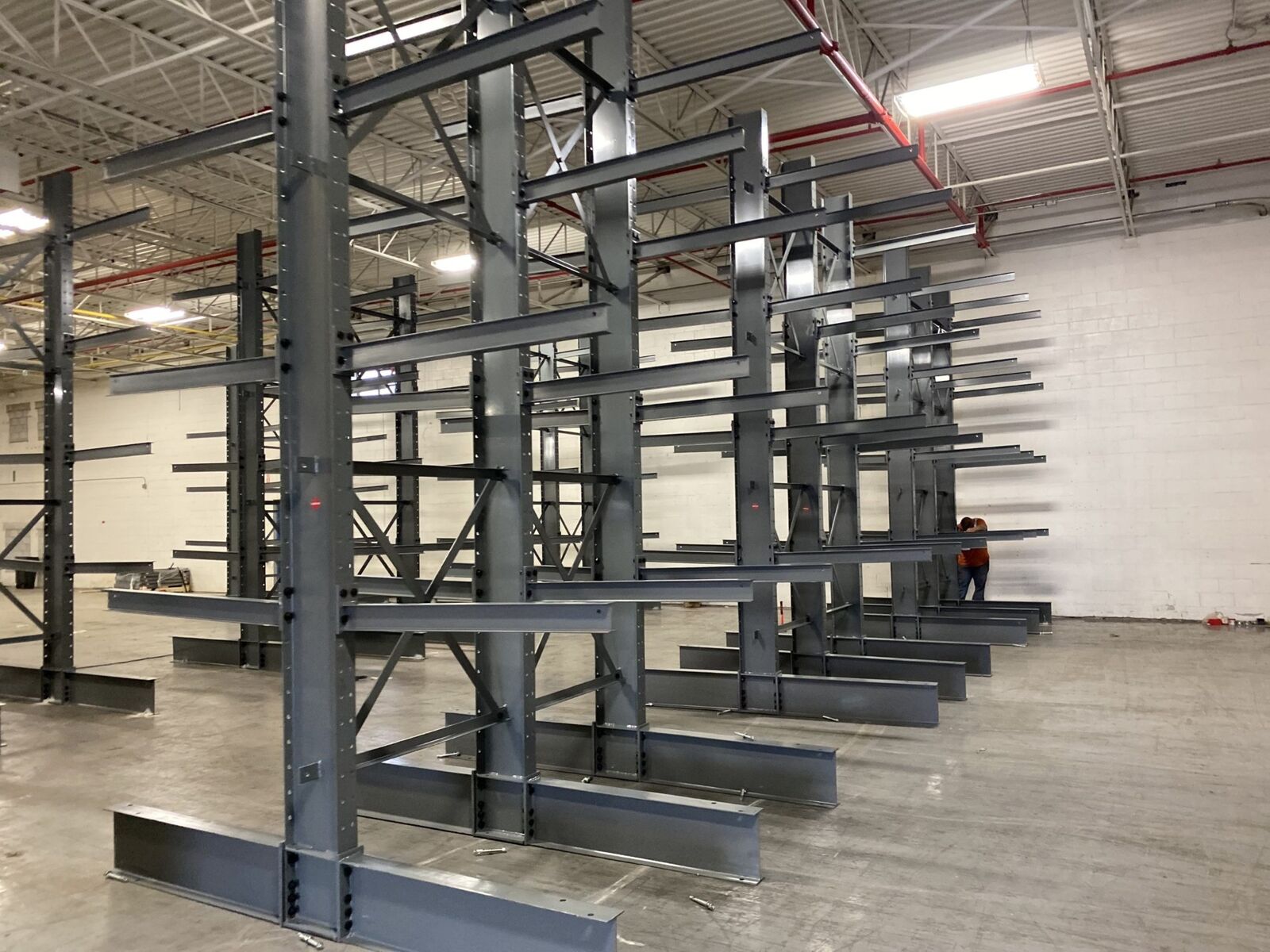
Cantilever Rack
Arms with nothing in front of them, built for lumber, pipe, and anything a pallet can't hold.
View details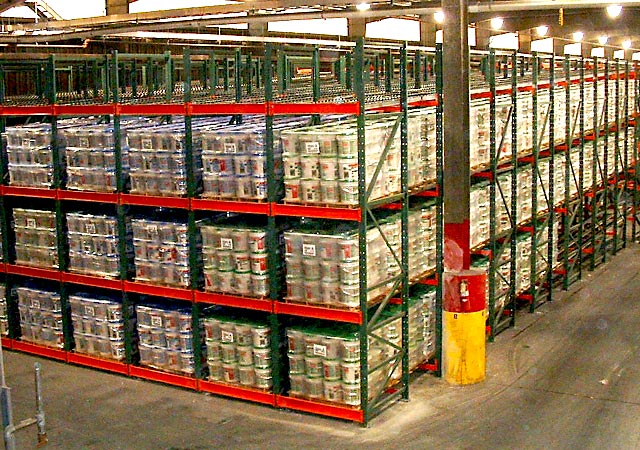
Pallet Flow Rack
Load one side, pick the other, and let gravity enforce first in, first out.
View details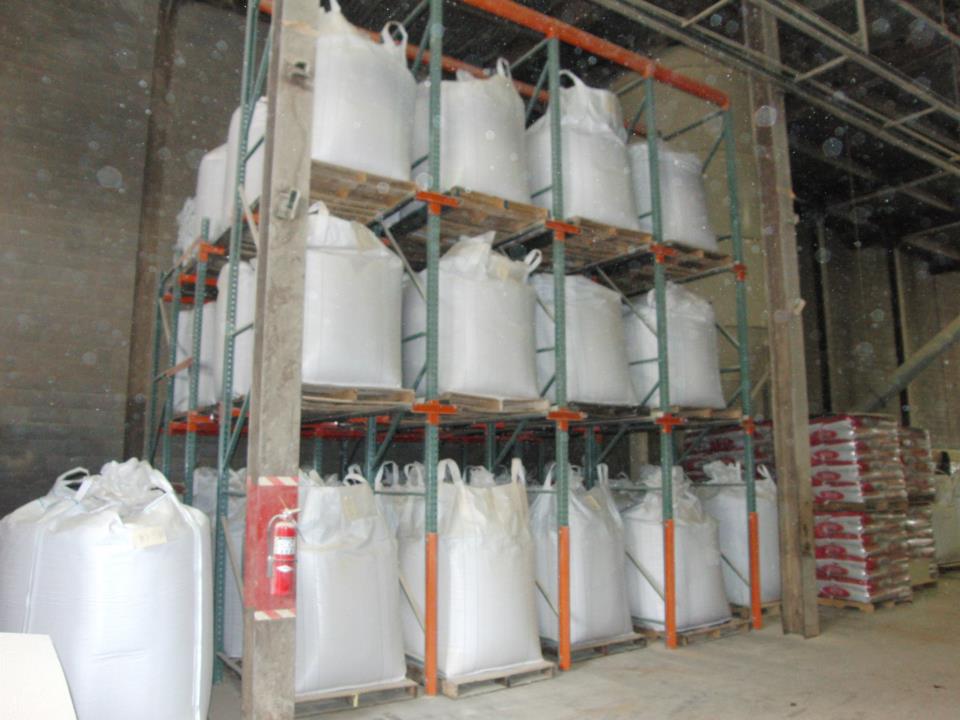
Drive-In Rack
Deep storage lanes for bulk inventory, with access aisles around the rack block.
View detailsNearby Areas We Also Serve
Our delivery and installation territory covers the Tulsa metro and northeastern Oklahoma, with project scope and timing agreed for each building.
Where We Work
Located in Tulsa, we serve the entire Tulsa metro with industrial pallet racks and warehouse storage solutions.
Tulsa Pallet Rack
Address
3171 S 129th E Ave.
Ste A #5316
Tulsa, OK 74134
Phone
(918) 296-8162Business Hours
Monday - Friday: 8:00 AM - 6:00 PM
Saturday: Closed
Sunday: Closed
Need Pushback Rack in Broken Arrow?
Call (918) 296-8162 or request a quote and we will get a layout started.