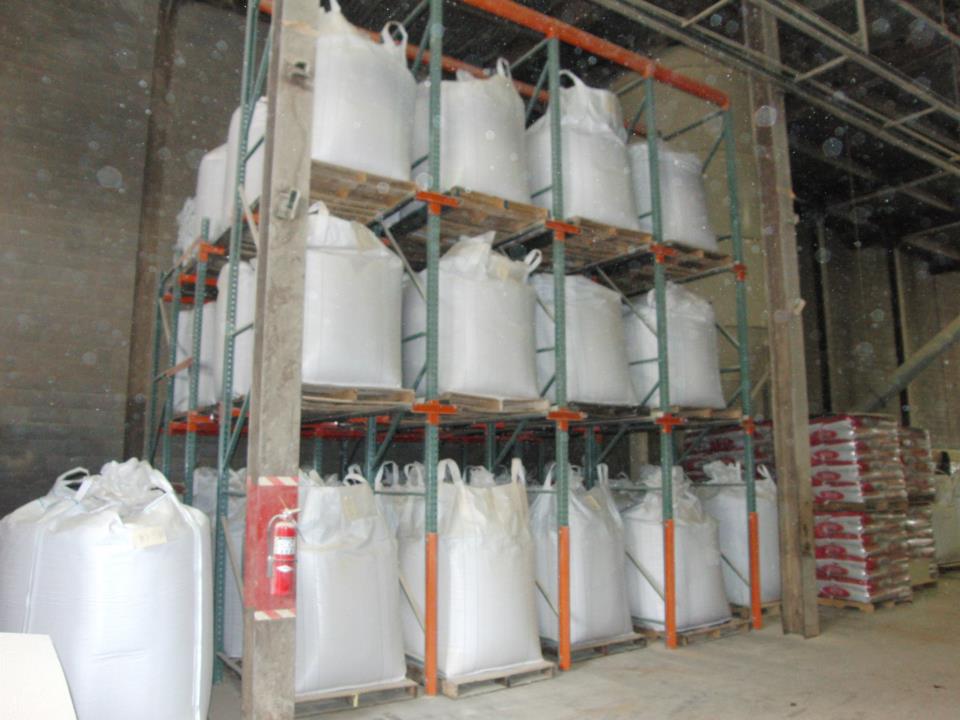
Drive-In Rack in Broken Arrow, OK
For reserve pallets held in production-sized batches, drive-in rack in Broken Arrow can replace repeated access aisles with deeper storage lanes. The benefit comes from keeping like inventory together, not from asking a dense storage block to handle every picking task.
Manufacturers holding many pallets of a few SKUs are strong candidates. The same arrangement can serve bulk finished goods, provided receiving and shipping can work around the lane sequence. Mixed inventories with frequent single-pallet requests need a different access strategy.
We operate as a division of Warehouse Equipment & Supplies Co., supplying and installing since 1997. Before recommending storage depth, we review load geometry, truck movement and the space that must remain available for production and dispatch.
Drive-In Rack Operation, From Entry to Exit
Drive-in pallet rack lane design begins with a full handling cycle: approach, raise, enter, place and reverse out. Check that cycle against the actual truck rather than a nominal aisle dimension.
Support along the lane
Forklifts drive into lanes and place loads on continuous rails running through the structure. Pallet edges need adequate bearing at every position, including the deepest placement.
Work from one end or two
A one-ended drive-in arrangement normally uses LIFO: last in, first out. With both ends open, drive-thru racking can provide FIFO, or first in, first out, when loading and unloading follow opposite directions.
Measure the handling envelope
Truck width, mast height and turning clearance determine lane dimensions. Include attachments, raised mast clearance and the entrance turn when checking whether the proposed levels are usable.
Size rails and guides together
Rail and guide sizing follows pallet width, load weight and the truck envelope. Check pallet construction and load overhang before setting the support spacing; nominal pallet size alone is insufficient.
Drive-In Pallet Rack Specifications Worth Settling Early
Older manufacturing and warehouse stock areas may have 18–24 feet of clear height, while newer tilt-wall bulk buildings may offer 32–36 feet or more. Those are planning contexts, not a substitute for measuring your building. Load height and truck capacity at elevation determine how much of that space is usable.
Provide guide rails, column guards and rail-end protection where the handling layout calls for them. Keep the protected entrance wide enough for the truck, and establish a way to report rack contact promptly. Bent components should be assessed rather than hidden behind stored inventory.
Installation staging needs room for unloaded materials and assembly without blocking production transfers. In non-air-conditioned areas, summer heat affects how work is organized. Spring storms or winter ice can change delivery and installation arrangements, so confirm access as the work approaches.
When Drive-In Rack Beats Another Storage Row
Deep-lane storage is among the densest ways to house palletized inventory because it removes many intervening aisles. Its advantage is strongest when lane quantities follow normal batch sizes. A large theoretical capacity can disappoint if most lanes contain only a few pallets.
Cooler or freezer operations can use the same principle to devote more refrigerated cube to stock. Temperature, pallet condition and frost-related handling conditions belong in the initial discussion. Preserve enough working room for controlled entry rather than forcing extra positions into marginal clearances.
Consider pushback when operators should load from the aisle and several products need separate lanes. Choose selective storage where each pallet requires immediate access. A combination can keep deep reserve stock out of the way while preserving accessible locations for active order work.

Operations We Rack Around Here
In the Broken Arrow Industrial District and Kenosha industrial area, manufacturing stock and newer tilt-wall distribution buildings present different height and access constraints. Planning around routes to the SH-51 Broken Arrow Expressway should also keep internal receiving queues out of drive-in rack approaches.
Recent Installations
Racking projects completed for warehouses across the Tulsa metro and northeastern Oklahoma.


Request a Broken Arrow Drive-In Rack Scope
Share your inventory by SKU, typical batch quantity and maximum loaded pallet weight. A floor plan, clear-height measurements and truck model details let us evaluate drive-in rack lane counts, access and protection on the same basis as your daily operation. Call (918) 296-8162.
Tulsa Pallet Rack
3171 S 129th E Ave.
Ste A #5316
Tulsa, OK 74134
(918) 296-8162Monday - Friday: 8:00 AM - 6:00 PM
Drive-In Rack Decisions Before Ordering
Other Rack Types We Supply in Broken Arrow
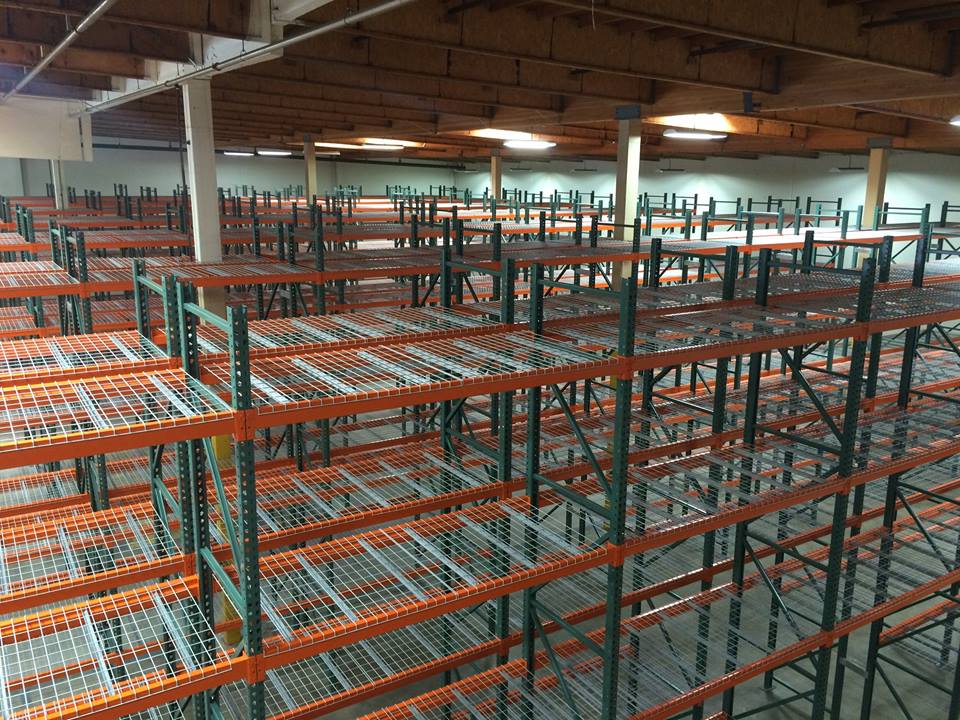
Pallet Rack
Every pallet reachable, every time. The baseline we size everything else against.
View details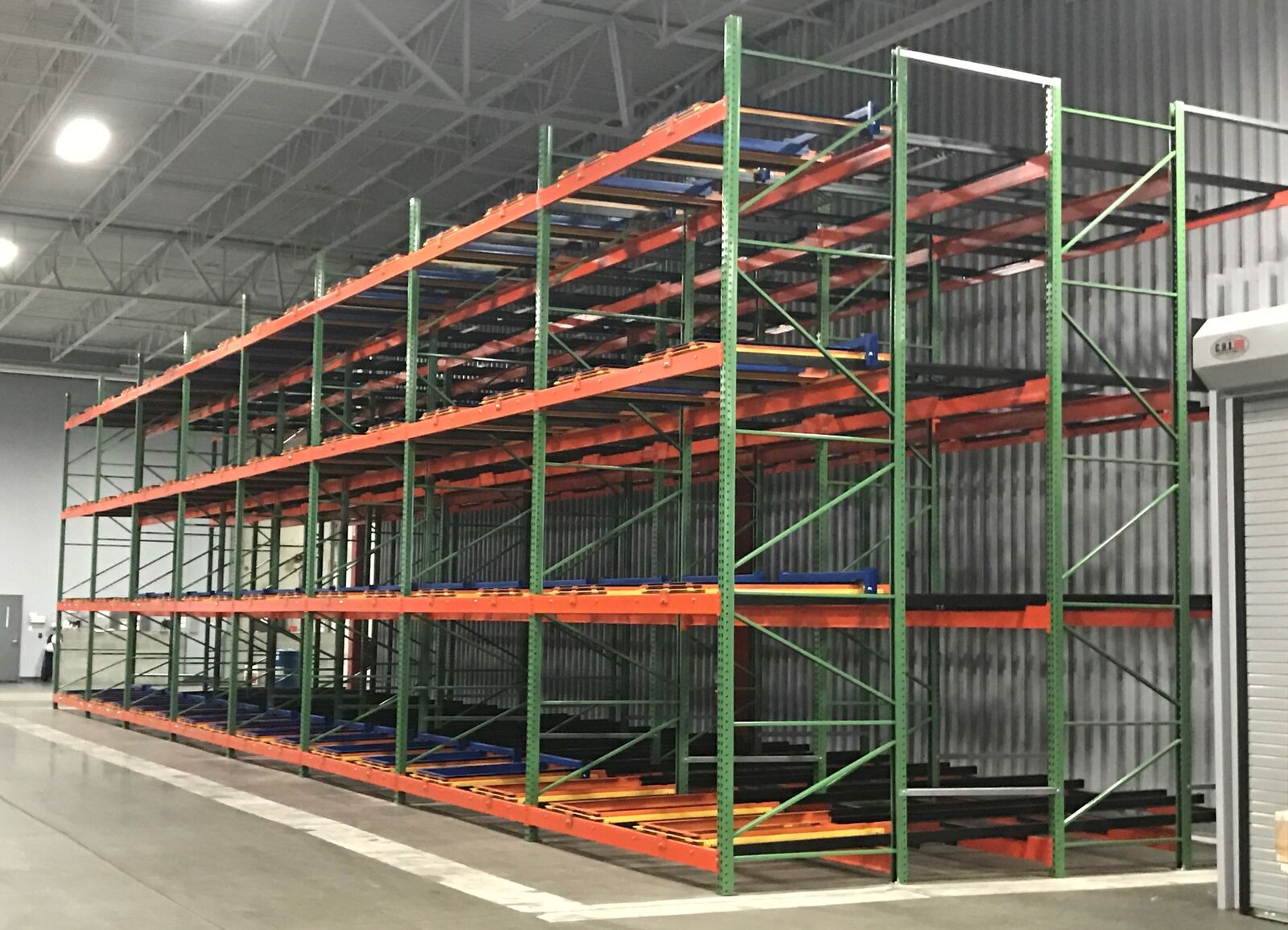
Pushback Rack
Two to six pallets deep from one aisle, without giving up much reach.
View details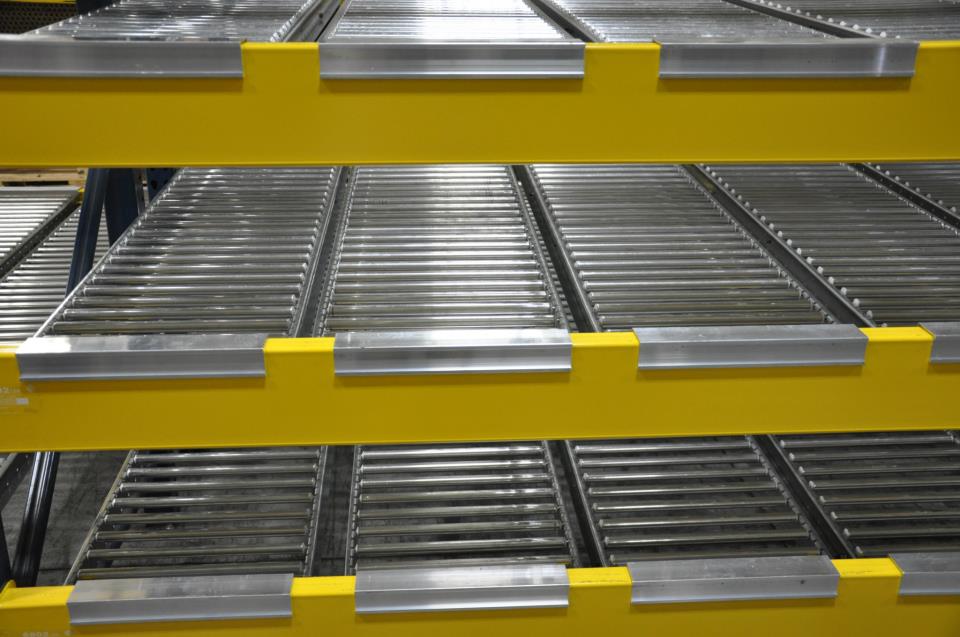
Carton Flow Rack
Cases advance to the picker instead of the picker hunting for cases.
View details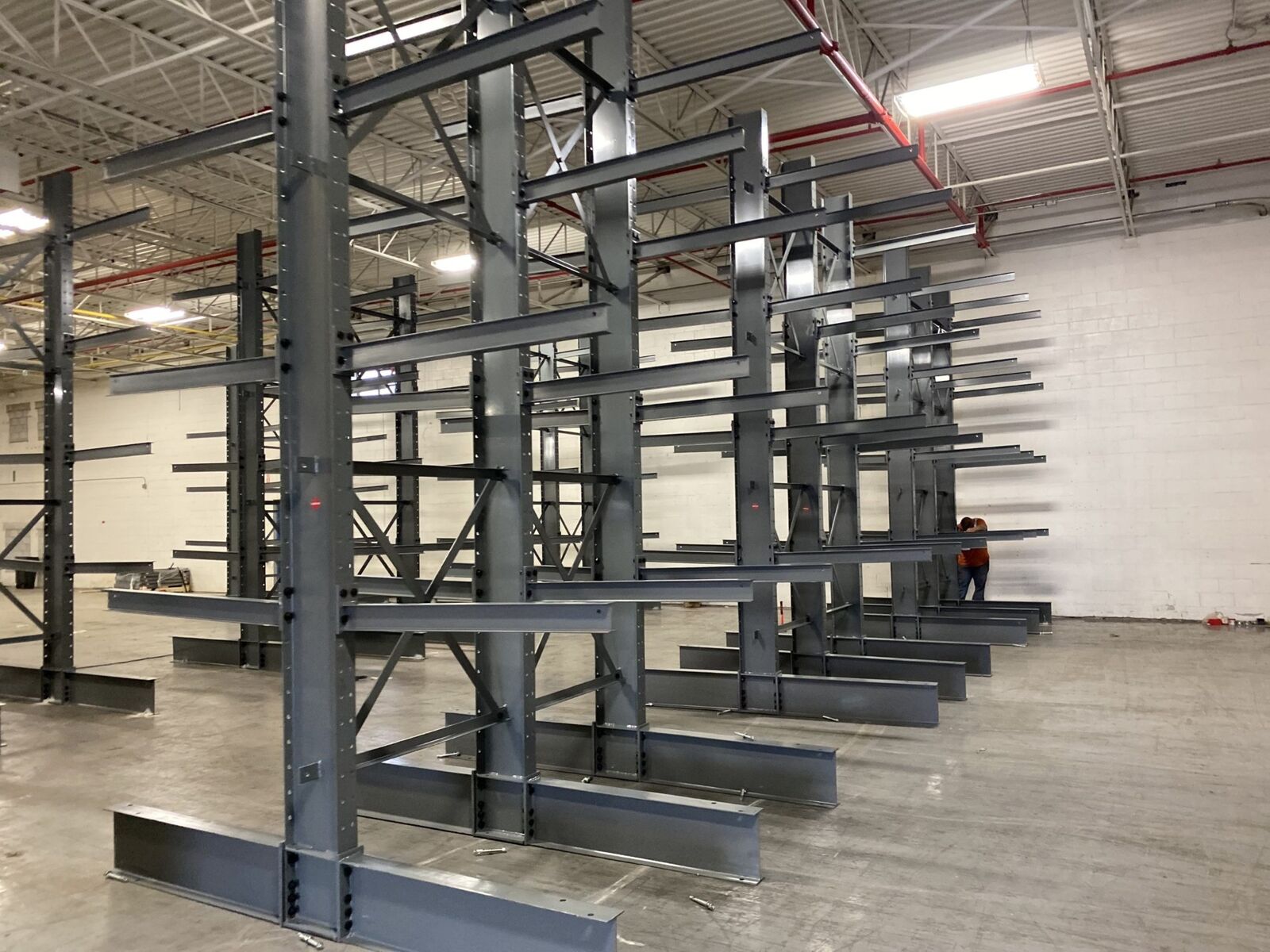
Cantilever Rack
Arms with nothing in front of them, built for lumber, pipe, and anything a pallet can't hold.
View details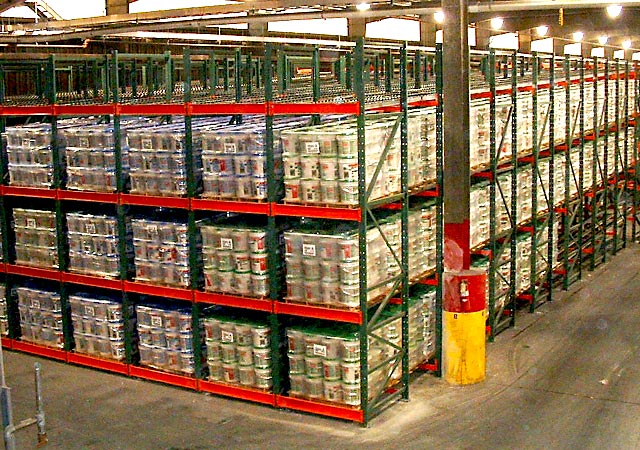
Pallet Flow Rack
Load one side, pick the other, and let gravity enforce first in, first out.
View detailsNearby Areas We Also Serve
Our delivery and installation territory covers the Tulsa metro and northeastern Oklahoma, with project scope and timing agreed for each building.
Where We Work
Located in Tulsa, we serve the entire Tulsa metro with industrial pallet racks and warehouse storage solutions.
Tulsa Pallet Rack
Address
3171 S 129th E Ave.
Ste A #5316
Tulsa, OK 74134
Phone
(918) 296-8162Business Hours
Monday - Friday: 8:00 AM - 6:00 PM
Saturday: Closed
Sunday: Closed
Need Drive-In Rack in Broken Arrow?
Call (918) 296-8162 or request a quote and we will get a layout started.