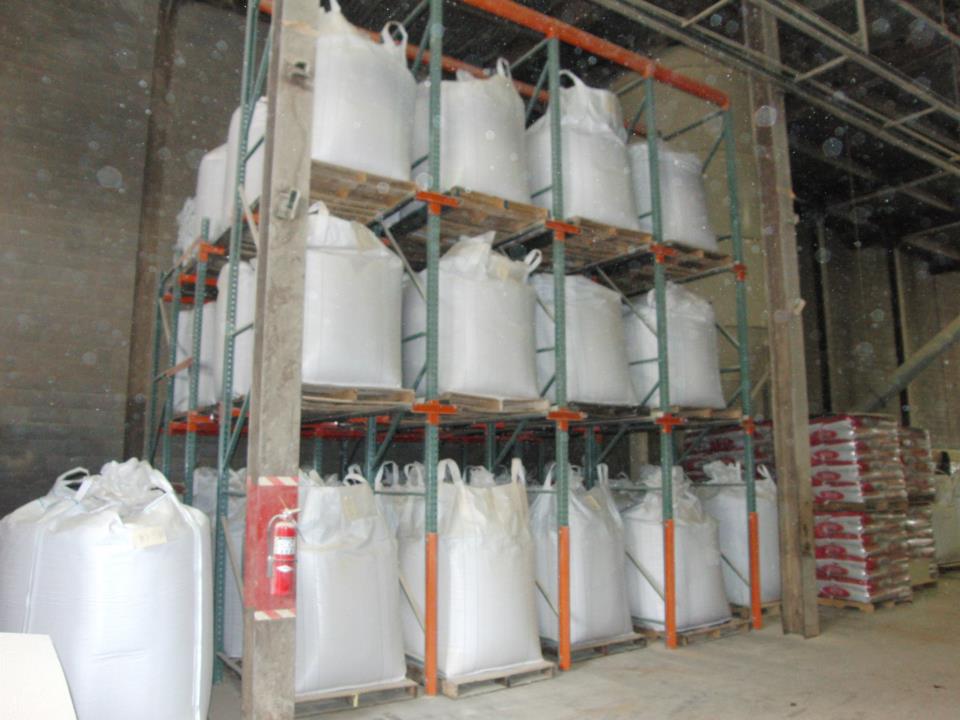
Drive-In Rack in Bartlesville, OK
For repeated pallet loads in Bartlesville, drive-in rack trades separate picking aisles for deep storage lanes. It offers some of the densest pallet storage available when inventory consists of many pallets of a few SKUs. The gain comes from grouping stock by lane, not from squeezing unrelated products into the same space.
A drive-in pallet rack layout works best when full pallets arrive and leave in batches. Before choosing depth, compare the number of pallets normally held per SKU with the number needed during peak periods. A lane that stays partly empty can consume the space you expected to recover.
We are a division of Warehouse Equipment & Supplies Co., supplying and installing since 1997. Our planning starts with your pallet loads, lift trucks and operating pattern, then works outward to lane dimensions, protection and installation access.
Where drive-in rack earns its floor space
Reserve pallets for production can suit deep lanes when the same material is held in quantity. Keep each lane dedicated to a compatible product and handling pattern; mixing SKUs can leave needed inventory trapped behind loads that are not due to move. Plan a separate location for partial pallets and returns.
Cooler and freezer applications add another reason to reduce aisles: more stored pallets can occupy the refrigerated cube already available. Compare usable positions rather than theoretical capacity, and allow for the clearances and handling practices required by the actual frozen or chilled load. Density should not depend on pallets fitting with no working tolerance.

Operations We Rack Around Here
At Bartlesville Industrial Park and along the US-75 corridor, energy and manufacturing support operations should separate repeat pallet stock from irregular equipment before assigning deep lanes. That distinction helps keep awkward loads out of a drive-in rack designed around consistent pallet geometry.
How drive-in pallet rack lanes handle loads
Forklifts enter the drive-in pallet rack lanes, carrying pallets between the uprights and placing them on continuous support rails. The lift truck must clear the structure throughout entry, lifting and withdrawal, including with a loaded pallet at the highest working level.
One entrance
Drive-in lanes have one open end and normally follow last-in, first-out, or LIFO. The most recently placed pallet blocks access to earlier loads behind it.
Two-ended access
Drive-thru racking opens both ends so loading and retrieval can support first-in, first-out, or FIFO. That arrangement needs working aisle space at both faces and a consistent operating routine.
Rail and guide dimensions
Size support rails to the pallet bearing surfaces, load weight and intended clearances. Match guide spacing to the truck envelope rather than assuming one lane width suits every forklift.
Truck movement
Mast height, truck width and turning clearance decide lane dimensions and approach space. Check overhead obstructions and the truck configuration used with the actual load, not just its unloaded dimensions.
Protection and installation without lost access
Guide rails help establish the travel path, column guards shield exposed uprights, and rail-end protection addresses vulnerable entry points. These components need space of their own. Include them in the layout early so protection does not narrow a lane below the clearance the operator needs.
Check pallet condition and underside construction before specifying rails. Broken boards, unusual feet or changing pallet sizes can undermine a layout based on one assumed load. Record maximum loaded height and weight as well as normal measurements, and identify loads that should remain on conventional shelving or other storage.
For installation, identify a staging area and agree which aisles must remain available to production. In mostly non-air-conditioned buildings, summer heat affects crew staging and material handling. Weather-related access changes should be discussed before delivery rather than worked around with blocked operating aisles.
Recent Installations
Racking projects completed for warehouses across the Tulsa metro and northeastern Oklahoma.


Quote your Bartlesville drive-in rack layout
Send pallet dimensions, loaded weights and heights, pallets per SKU, truck information and a sketch of the available area. Include door locations and any columns that interrupt the storage block. We can compare drive-in rack lane depths and access arrangements before developing the equipment scope. Call (918) 296-8162.
Tulsa Pallet Rack
3171 S 129th E Ave.
Ste A #5316
Tulsa, OK 74134
(918) 296-8162Monday - Friday: 8:00 AM - 6:00 PM
Questions before choosing deep-lane storage
Other Rack Types We Supply in Bartlesville
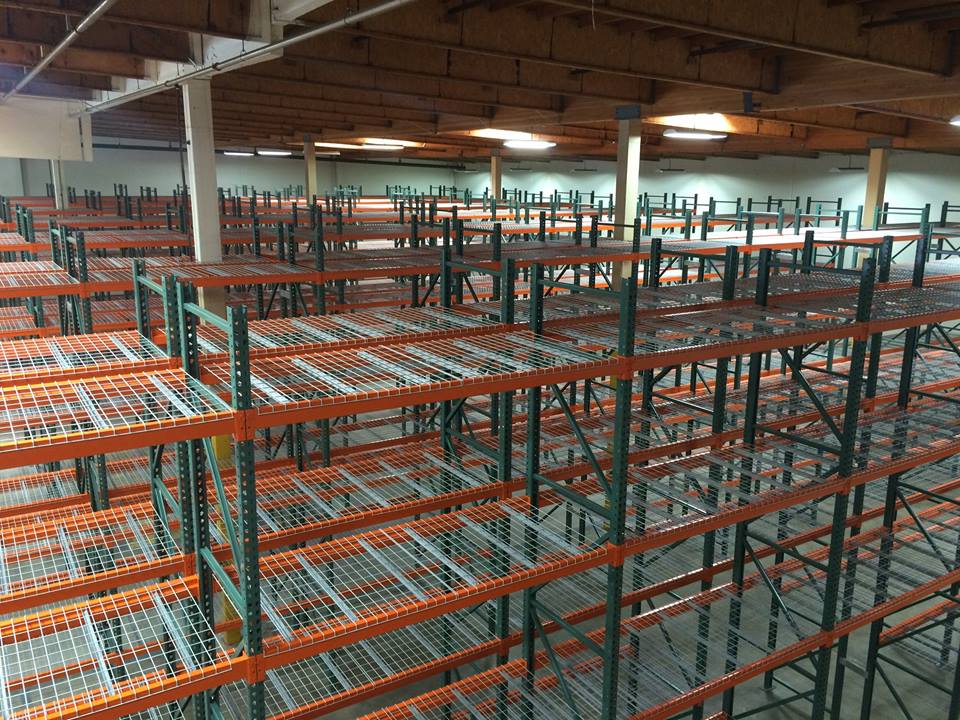
Pallet Rack
Every pallet reachable, every time. The baseline we size everything else against.
View details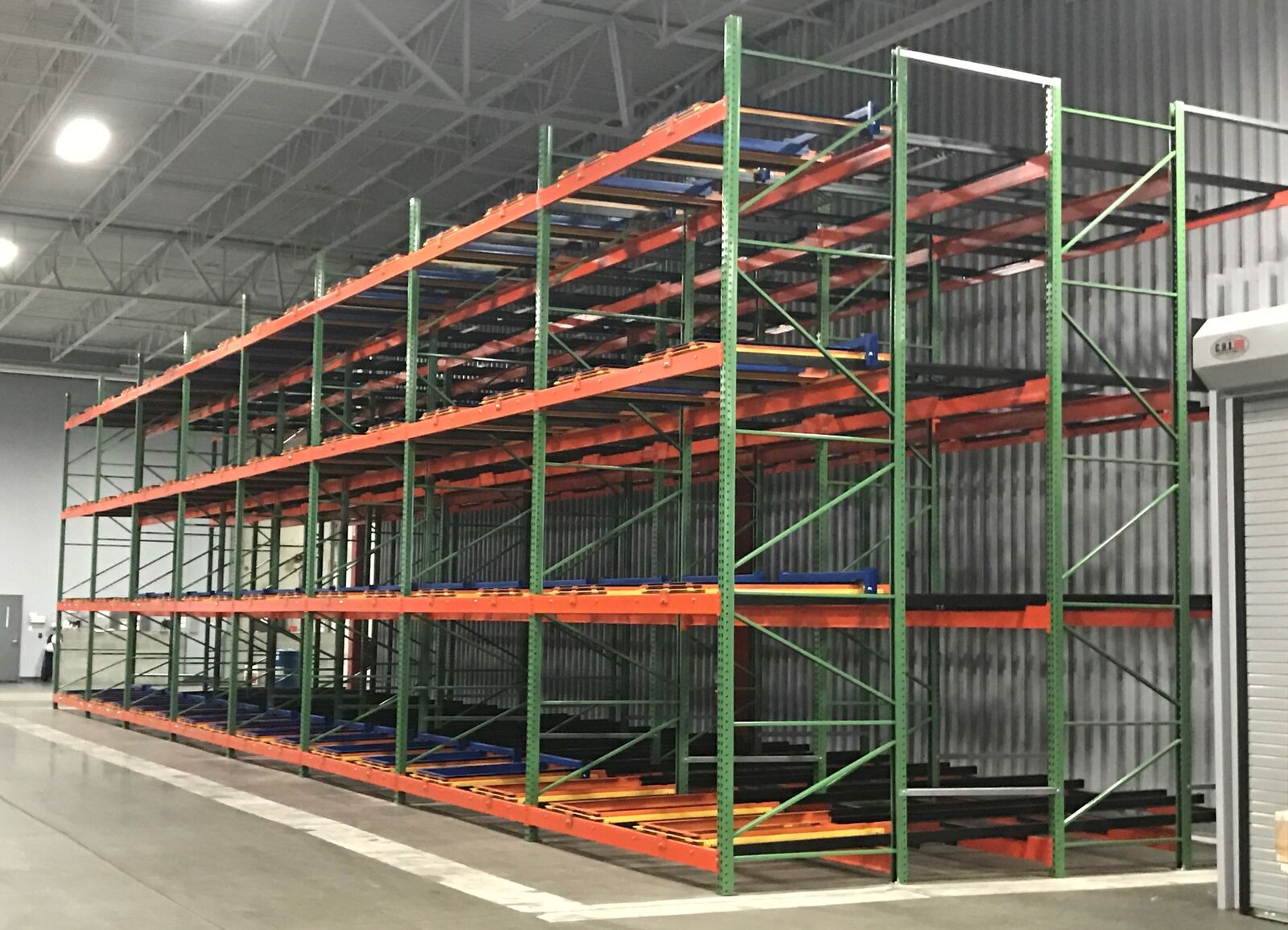
Pushback Rack
Two to six pallets deep from one aisle, without giving up much reach.
View details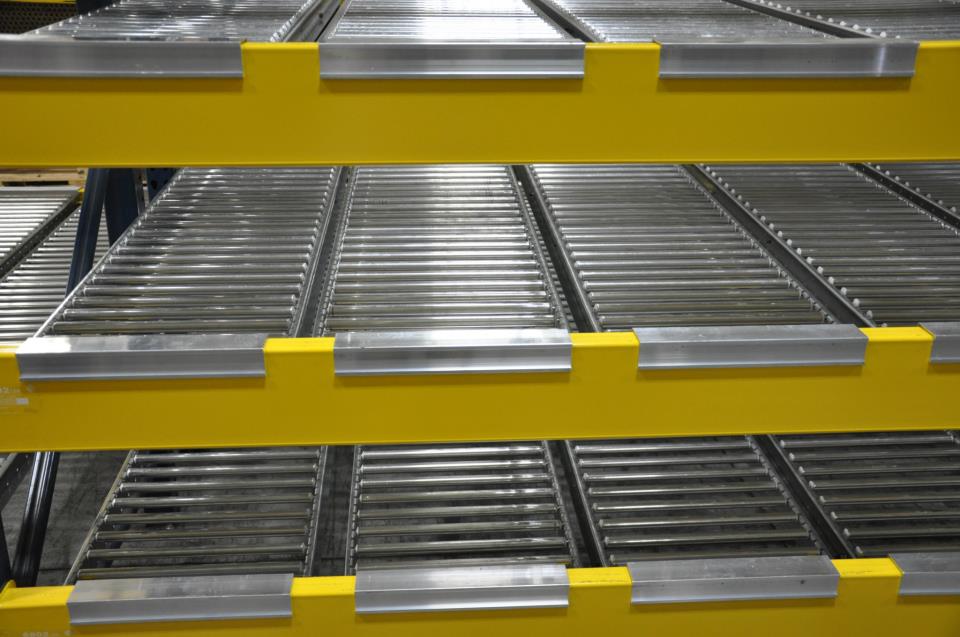
Carton Flow Rack
Cases advance to the picker instead of the picker hunting for cases.
View details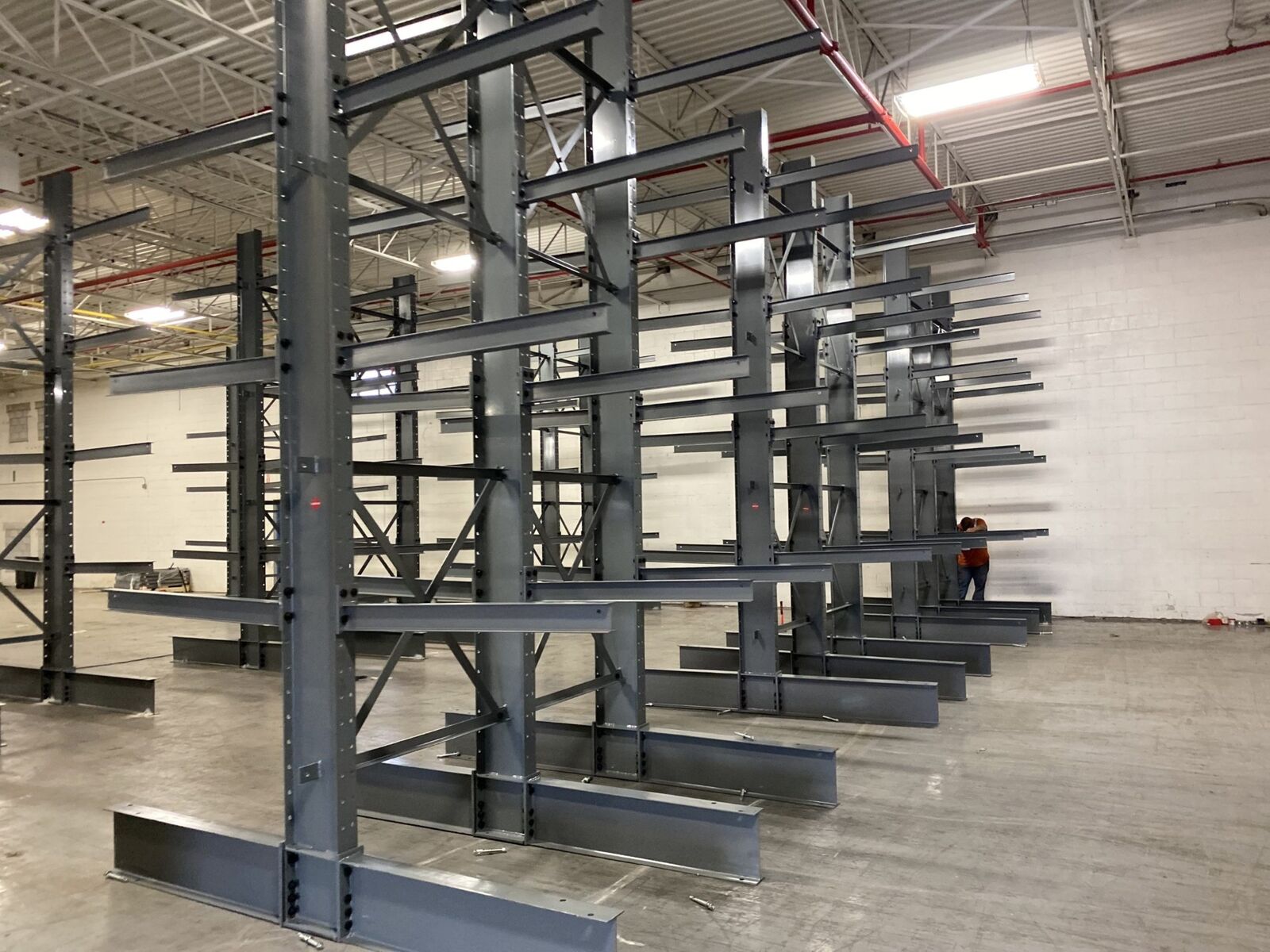
Cantilever Rack
Arms with nothing in front of them, built for lumber, pipe, and anything a pallet can't hold.
View details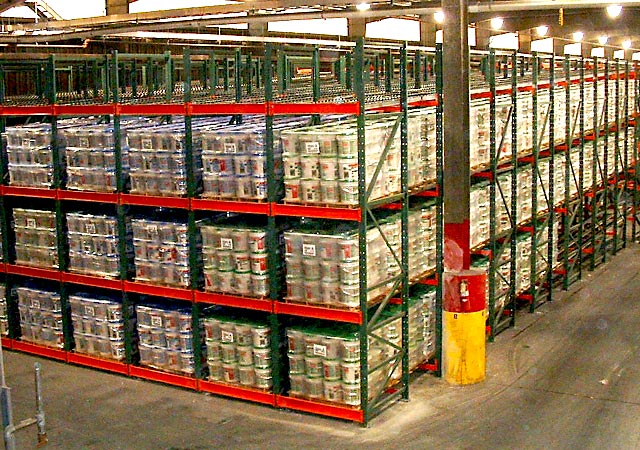
Pallet Flow Rack
Load one side, pick the other, and let gravity enforce first in, first out.
View detailsNearby Areas We Also Serve
Our delivery and installation territory covers the Tulsa metro and northeastern Oklahoma, with project scope and timing agreed for each building.
Where We Work
Located in Tulsa, we serve the entire Tulsa metro with industrial pallet racks and warehouse storage solutions.
Tulsa Pallet Rack
Address
3171 S 129th E Ave.
Ste A #5316
Tulsa, OK 74134
Phone
(918) 296-8162Business Hours
Monday - Friday: 8:00 AM - 6:00 PM
Saturday: Closed
Sunday: Closed
Need Drive-In Rack in Bartlesville?
Call (918) 296-8162 or request a quote and we will get a layout started.