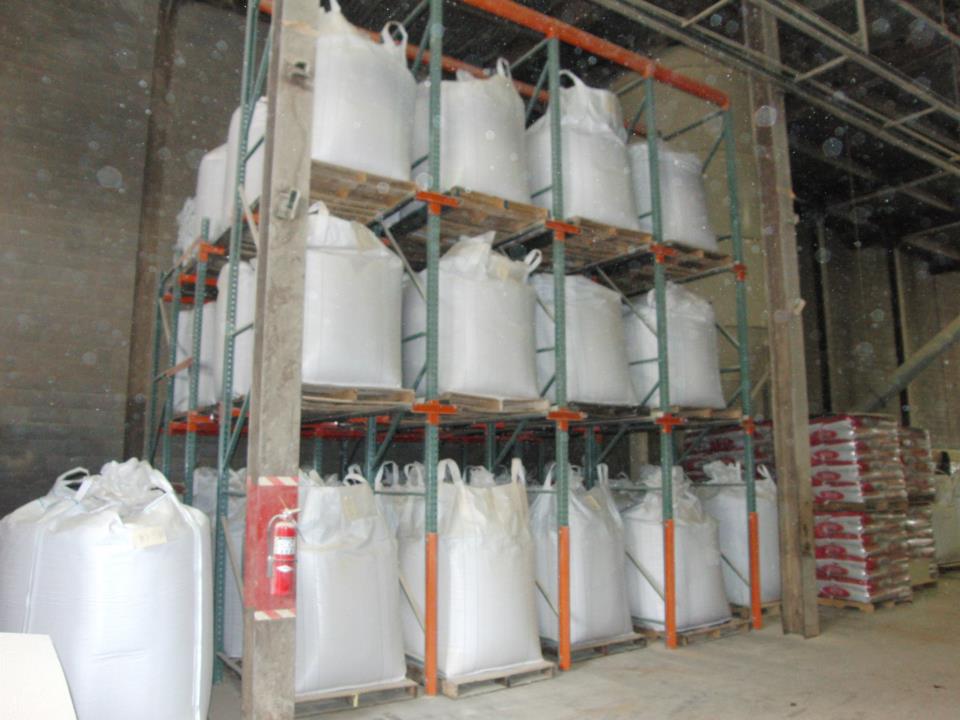
Drive-In Rack in Jenks, OK
A warehouse running short of reserve space may benefit from drive-in rack in Jenks when its inventory repeats across many pallets. Deep lanes trade individual pallet access for density, so the first question is how the stock moves, not simply how many positions fit.
For a small SKU range with substantial quantities of each item, that trade can be worthwhile. Bulk beverages, packaged goods and other consistent unit loads can be evaluated against actual holding patterns. Irregular pallets or constantly changing product assignments make the decision less straightforward.
As a division of Warehouse Equipment & Supplies Co., supplying and installing since 1997, we build the storage discussion around your loads and handling equipment. Pallet samples and truck specifications help resolve fit questions before a layout becomes an order.
Drive-In Rack Planning Starts With Measurements
Record pallet width, depth, loaded height and maximum weight, including overhang. Check whether the pallet underside provides the intended rail bearing. A damaged or inconsistent pallet can undermine an otherwise sound layout, so define which pallets are acceptable for entry.
Mast height, truck width and turning clearance decide lane dimensions and the room needed in front of the block. Measure with attachments included. Verify lifting capability at each proposed storage elevation, and check clearance to overhead obstructions during travel and placement.
Rail and guide sizing must reconcile the load with the truck envelope. Guide rails help entry alignment, while column guards and rail-end protection shield exposed locations. Specify protection as part of the layout rather than adding pieces later that narrow the working space.
Where Drive-In Pallet Rack Makes Room
With fewer access aisles, deep-lane systems provide some of the densest pallet storage available. Many pallets of few SKUs are the central requirement. Align each lane with a product or compatible batch so one inaccessible pallet does not interrupt the next order.
Cooler and freezer cube savings deserve particular attention: reducing aisle space can leave more of an existing refrigerated enclosure available for stock. Account for operating temperature, load condition and handling clearances when comparing layouts. Density should not depend on squeezing a truck through a marginal entrance.
Pushback can be preferable when lane-by-lane access matters and drivers should remain in the aisle. Selective rack suits broad SKU ranges that demand direct retrieval. For e-commerce or mixed distribution, reserve storage may use deep lanes while the active picking area stays separate.

Operations We Rack Around Here
Distribution and light industrial buildings along US-75 and the Creek Turnpike in Jenks need drive-in rack lane approaches that coexist with receiving and outbound staging. On the Arkansas River west bank, evaluate each building’s actual footprint rather than assuming a nearby warehouse has the same storage geometry.
Drive-In Rack Movement and Stock Rotation
Think through both the physical route and the inventory sequence. A drive-in pallet rack storage block works only when receiving, lane assignment and withdrawal follow the same operating plan.
Travel inside the structure
Forklifts drive into the lanes to carry pallets to their positions. Continuous rails support the pallet edges along the storage depth rather than offering aisle access to every load.
Fill from the far position
The operator places the deepest pallet first, then works toward the entrance. Removal reverses that sequence, with consistent placement heights and clear lanes supporting controlled travel.
Use one-ended access for LIFO
With one open end, incoming pallets sit ahead of earlier loads. This last-in, first-out pattern suits inventory that can be released in batches without strict oldest-pallet-first retrieval.
Open both ends for FIFO
Drive-thru racking allows loading from one side and withdrawal from the other. First-in, first-out movement requires disciplined lane assignment and sufficient working access at both faces.
Recent Installations
Racking projects completed for warehouses across the Tulsa metro and northeastern Oklahoma.


Discuss Your Jenks Drive-In Rack Plan
Send a sketch showing doors, columns and staging areas, along with pallet counts by SKU. Include normal and peak quantities so we can compare drive-in rack lane depths without designing every position around an unusual delivery. Note whether installation must happen around ongoing shipping. Call (918) 296-8162.
Tulsa Pallet Rack
3171 S 129th E Ave.
Ste A #5316
Tulsa, OK 74134
(918) 296-8162Monday - Friday: 8:00 AM - 6:00 PM
Drive-In Rack Questions From Buyers
Other Rack Types We Supply in Jenks
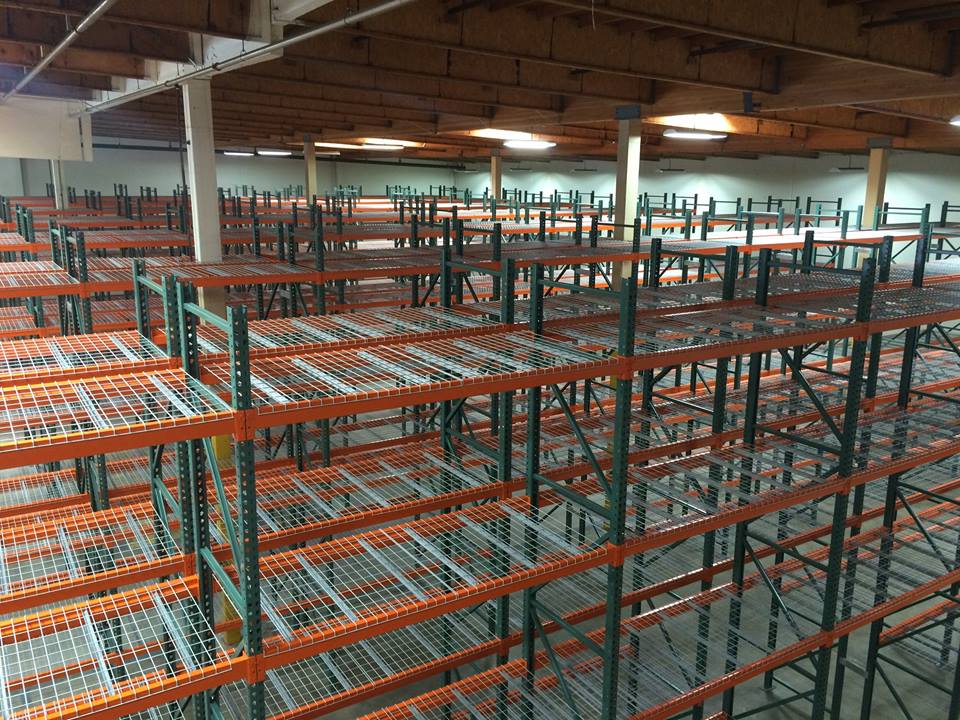
Pallet Rack
Every pallet reachable, every time. The baseline we size everything else against.
View details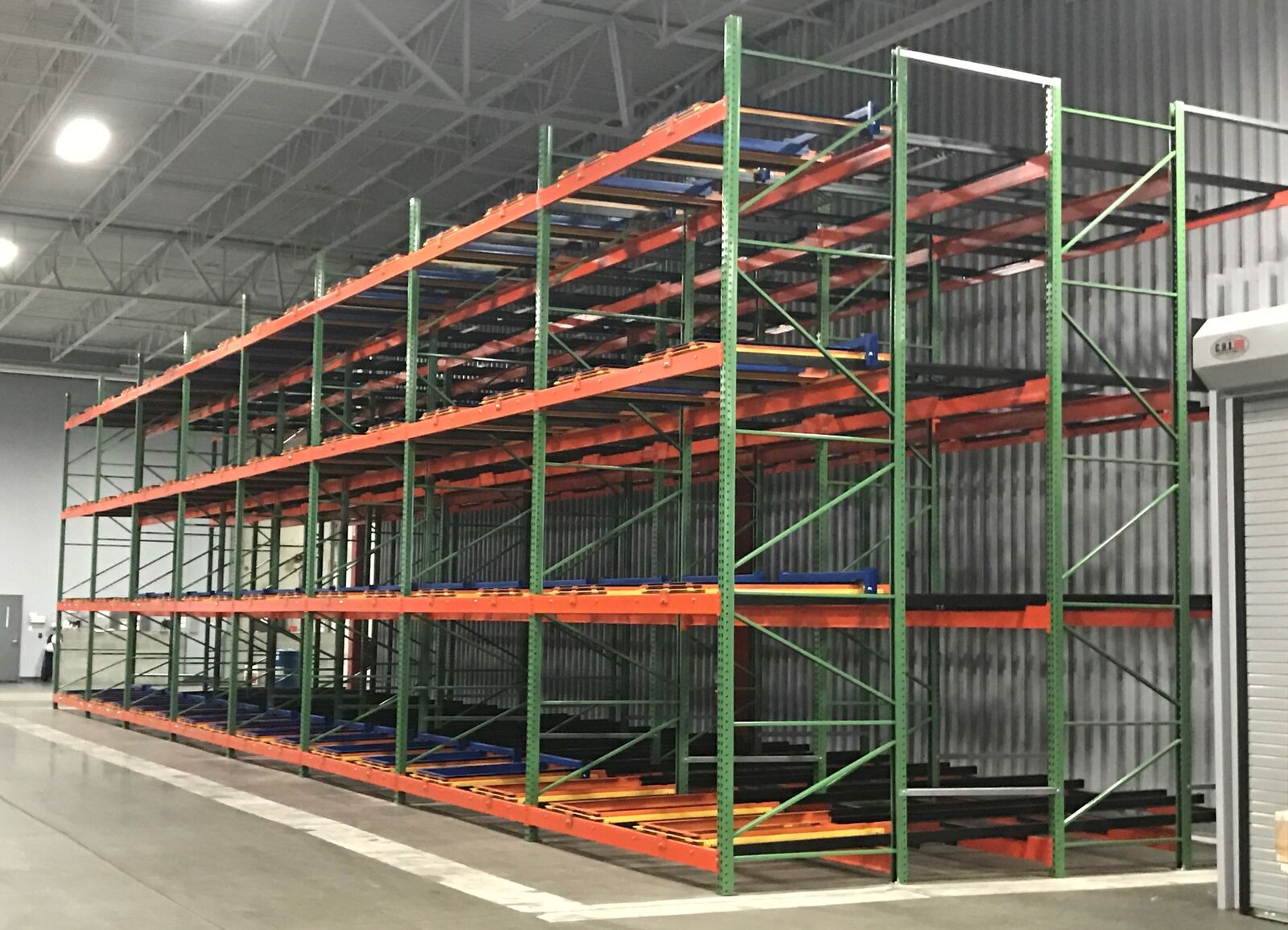
Pushback Rack
Two to six pallets deep from one aisle, without giving up much reach.
View details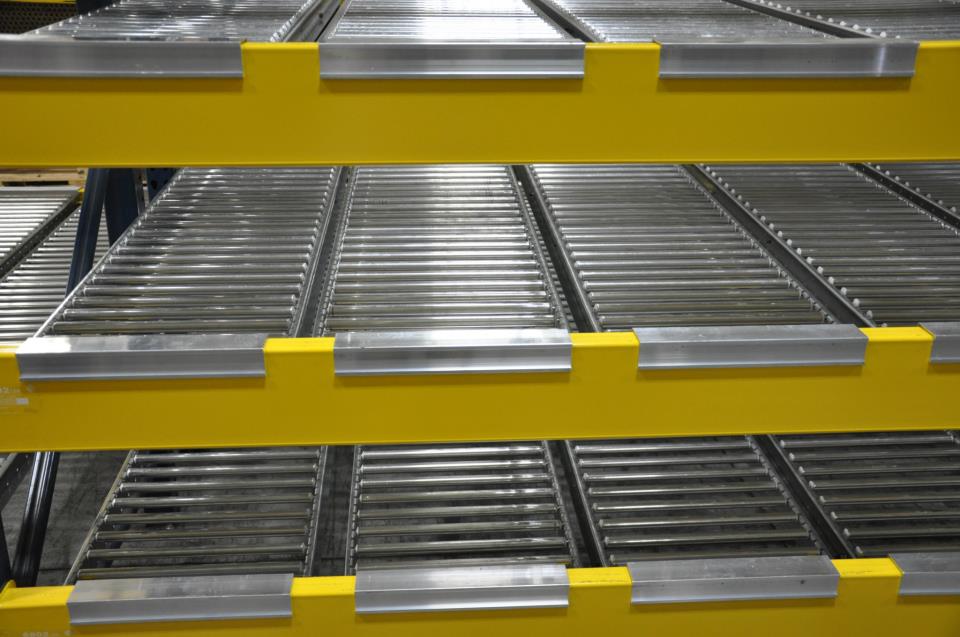
Carton Flow Rack
Cases advance to the picker instead of the picker hunting for cases.
View details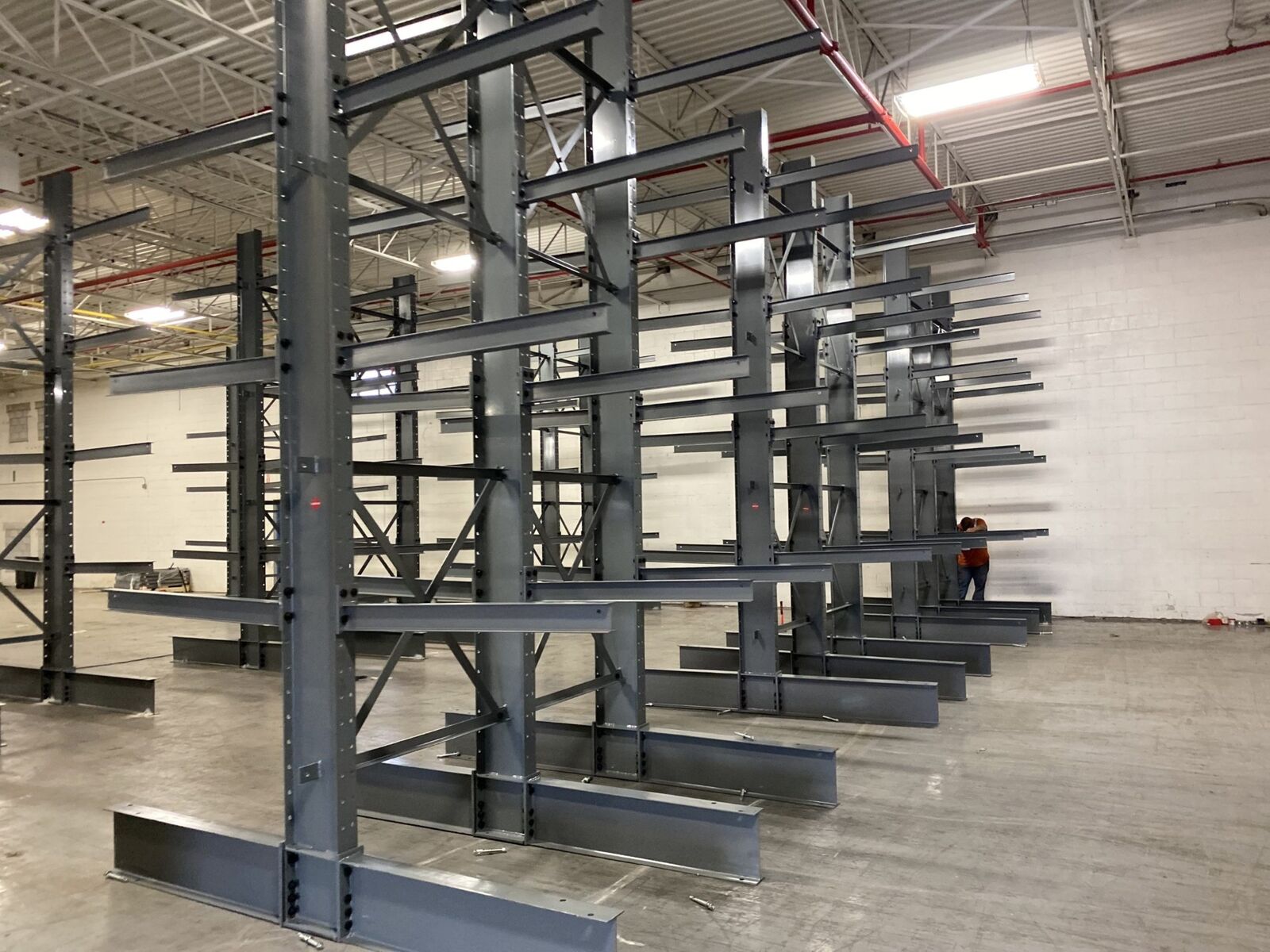
Cantilever Rack
Arms with nothing in front of them, built for lumber, pipe, and anything a pallet can't hold.
View details
Pallet Flow Rack
Load one side, pick the other, and let gravity enforce first in, first out.
View detailsNearby Areas We Also Serve
Our delivery and installation territory covers the Tulsa metro and northeastern Oklahoma, with project scope and timing agreed for each building.
Where We Work
Located in Tulsa, we serve the entire Tulsa metro with industrial pallet racks and warehouse storage solutions.
Tulsa Pallet Rack
Address
3171 S 129th E Ave.
Ste A #5316
Tulsa, OK 74134
Phone
(918) 296-8162Business Hours
Monday - Friday: 8:00 AM - 6:00 PM
Saturday: Closed
Sunday: Closed
Need Drive-In Rack in Jenks?
Call (918) 296-8162 or request a quote and we will get a layout started.