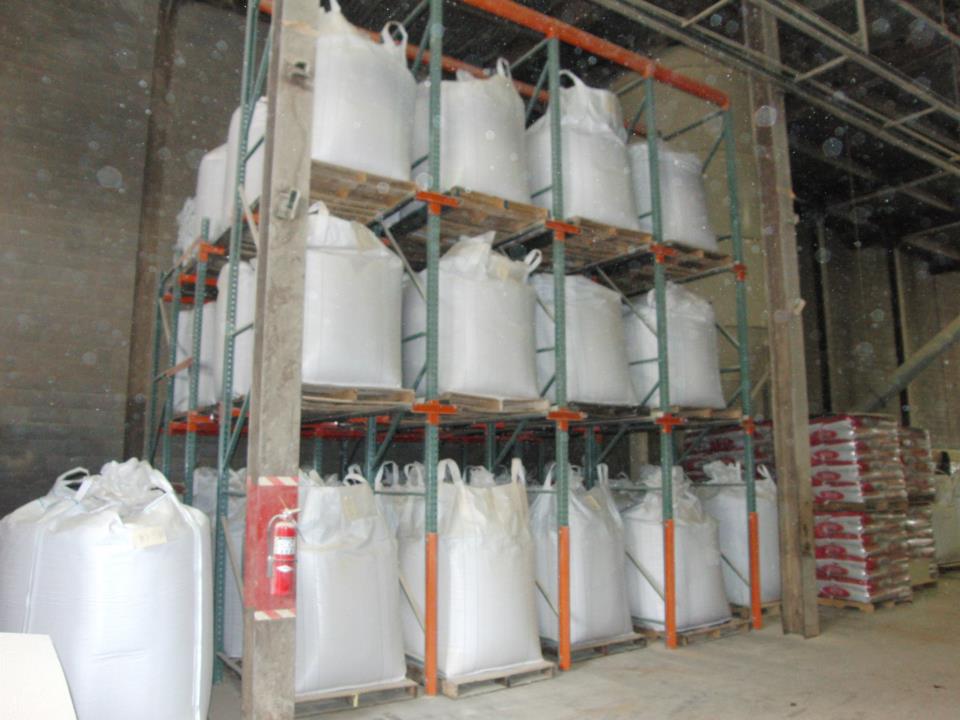
Drive-In Rack in Muskogee, OK
Muskogee drive-in rack should be sized around the inventory you replenish repeatedly, not just the number of pallet positions drawn on a plan. Deep lanes offer some of the densest storage available by removing aisles between rows. They work best with many pallets of a few SKUs and predictable withdrawal patterns.
Agriculture and manufacturing supply inventories can include both repeat loads and parts needing immediate access. Separate those storage duties. Full-lane reserve stock belongs in high-density storage; a broad assortment of low-quantity lines usually needs another arrangement.
Our planning starts with load measurements, truck information and the stock profile. As a division of Warehouse Equipment & Supplies Co., we have been supplying and installing since 1997. That scope includes discussing how material reaches the lanes and how installation fits around ongoing warehouse work.
Drive-in rack: entry, support and rotation
A forklift drives into each drive-in pallet rack lane while continuous rails support the stored pallets on either side. The truck carries the incoming load above the selected rail level, travels to the placement position and lowers it onto the supports.
Choose the stock sequence
Drive-in has one open end and uses LIFO: the newest load is withdrawn first. Keep each lane assigned to compatible inventory and a manageable lot group.
Open both faces when needed
Drive-thru racking can support FIFO through loading at one end and retrieval at the other. Both access aisles must remain available for that operating pattern.
Measure the working truck
Lane dimensions depend on mast height, truck width and turning clearance. Include loaded movement and the entry approach when checking whether the lift truck fits.
Match support to the load
Rail and guide sizing follows pallet geometry, bearing points and maximum loaded weight. Check actual pallets, including their condition and underside configuration, rather than relying only on purchase descriptions.
Details that shape drive-in pallet rack
Guide rails establish a defined travel path, while column guards and rail-end protection shield exposed entry components. Include their dimensions in the clearance review. Protection cannot make a narrow lane suitable for a truck that needs more working space.
For bagged or boxed supply loads, check whether the product extends beyond the pallet edge. Measure loaded height after wrapping and confirm the heaviest unit expected. Support spacing and vertical openings must suit the complete load, not simply its empty pallet.
Cooler or freezer applications benefit when more pallets occupy the cooled cube and fewer aisles consume it. Confirm pallet behavior, truck suitability and handling clearance at the intended temperature. Dense storage still needs a rotation plan that operators can follow on a busy shift.
Lay out the installation area so receiving can continue without crossing assembly work. Heat in non-air-conditioned buildings may change daily staging arrangements, while spring severe weather and winter ice can disrupt deliveries. Establish a sequence for unloading, assembly and release of completed storage.
When drive-in rack beats another aisle
The payoff is greatest where product quantities fill lanes consistently. Review average and lower stock levels as well as peak holdings. A long row with only a few occupied positions can leave less usable capacity than a shallower arrangement with more product assignments.
Use selective rack for frequent individual-pallet access across many SKUs. Consider pushback when the stock warrants depth but trucks should remain outside the storage structure. The right choice depends on withdrawal frequency, pallet consistency and the number of separate lots, not simply a preference for maximum depth.

Operations We Rack Around Here
Near the Port of Muskogee and John Ross Industrial Park, agriculture and manufacturing supply operations need receiving space alongside reserve storage. For sites using US-69, delivery staging should be mapped before drive-in rack components arrive so incoming material does not occupy the planned installation area.
Recent Installations
Racking projects completed for warehouses across the Tulsa metro and northeastern Oklahoma.


Price a Muskogee drive-in rack arrangement
Provide a marked floor plan, clear storage height, pallet weights and typical quantities by SKU. Add truck model information and explain any stock that requires dated rotation. Those details let us compare drive-in rack lane depths and identify handling compromises before defining the supply and installation scope. Call (918) 296-8162.
Tulsa Pallet Rack
3171 S 129th E Ave.
Ste A #5316
Tulsa, OK 74134
(918) 296-8162Monday - Friday: 8:00 AM - 6:00 PM
Buying drive-in pallet rack: practical answers
Other Rack Types We Supply in Muskogee
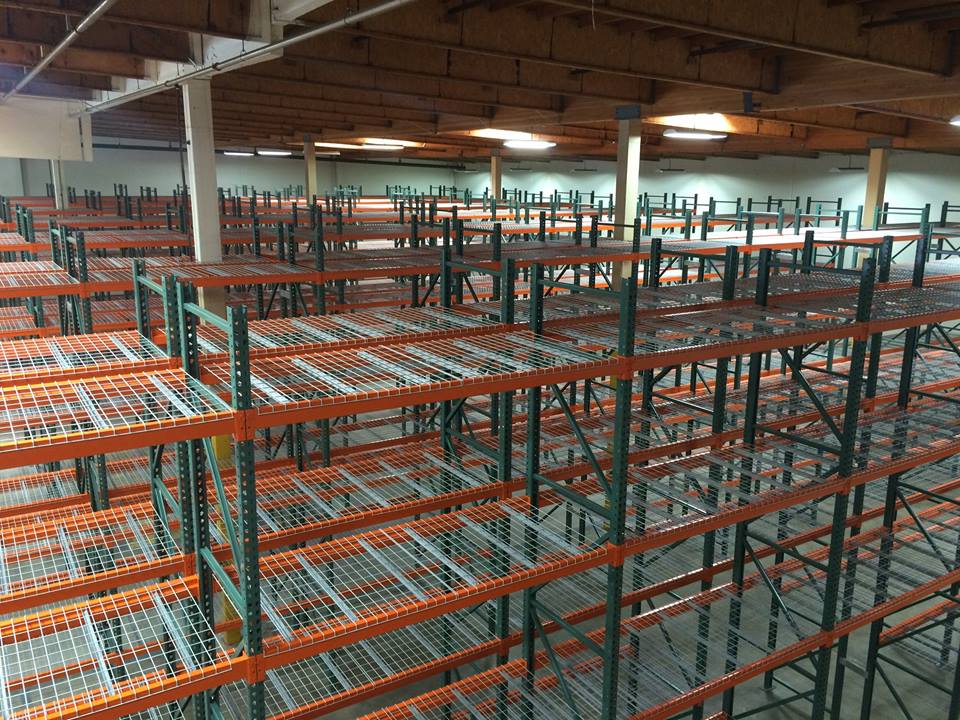
Pallet Rack
Every pallet reachable, every time. The baseline we size everything else against.
View details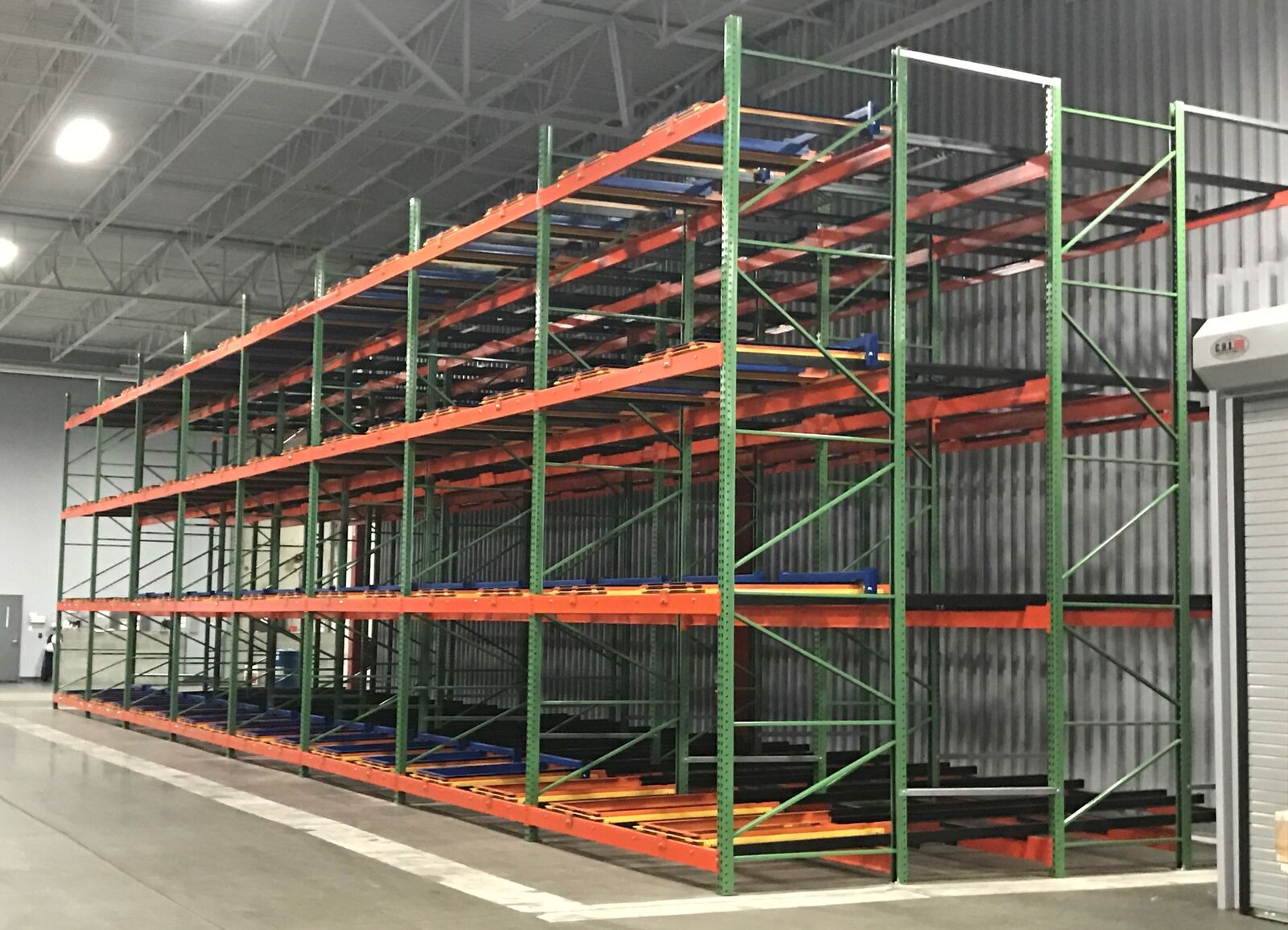
Pushback Rack
Two to six pallets deep from one aisle, without giving up much reach.
View details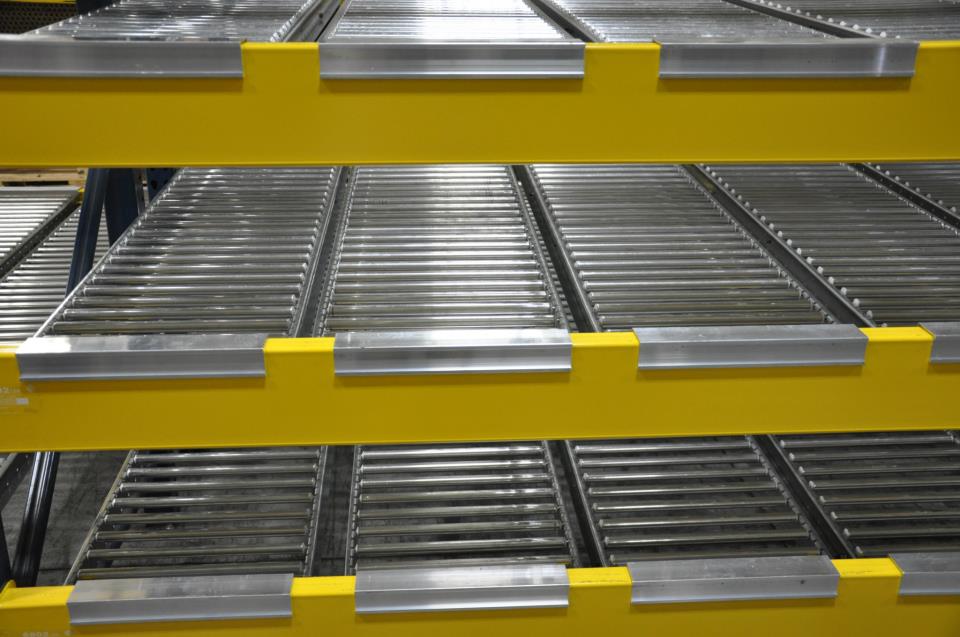
Carton Flow Rack
Cases advance to the picker instead of the picker hunting for cases.
View details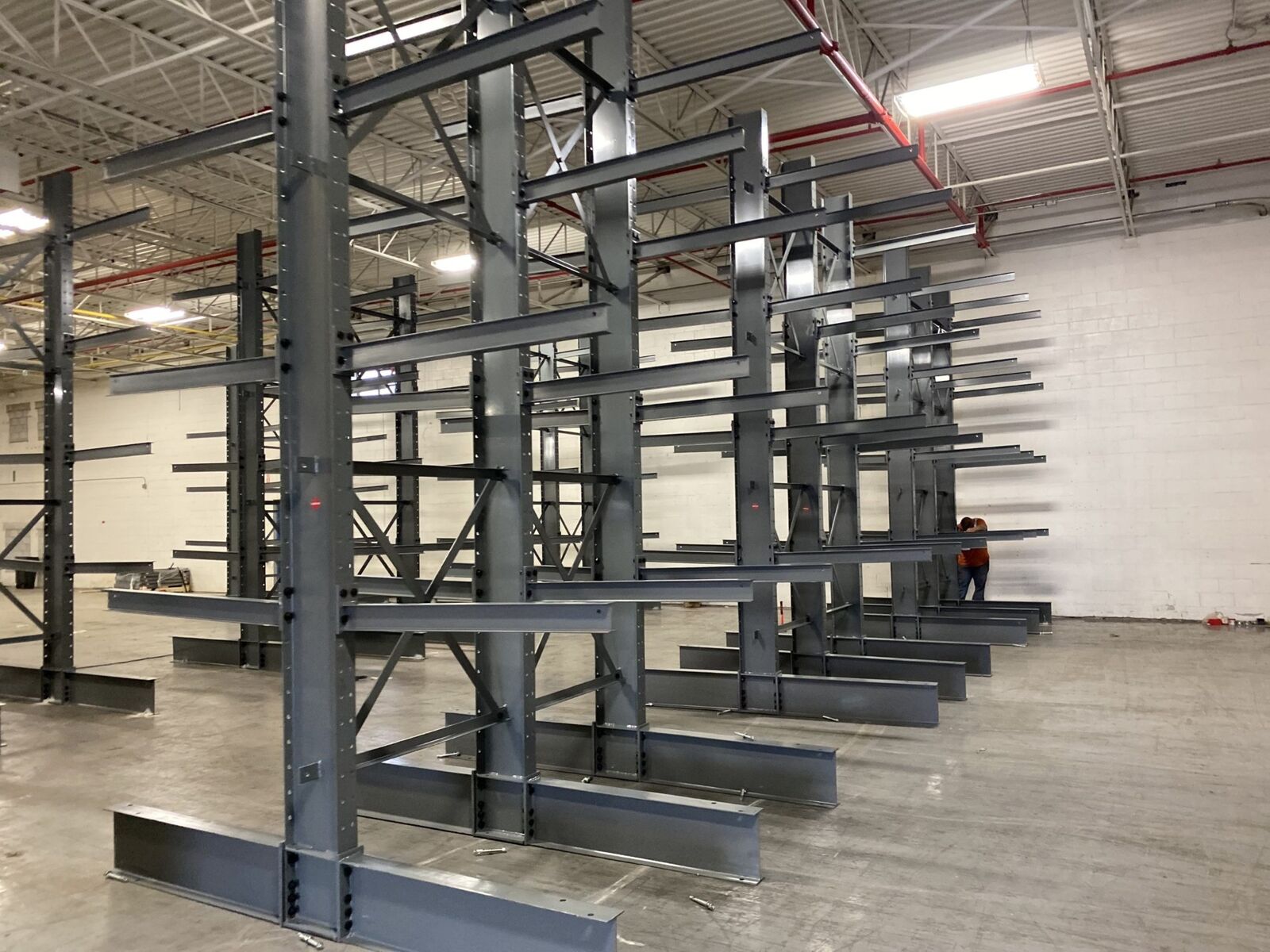
Cantilever Rack
Arms with nothing in front of them, built for lumber, pipe, and anything a pallet can't hold.
View details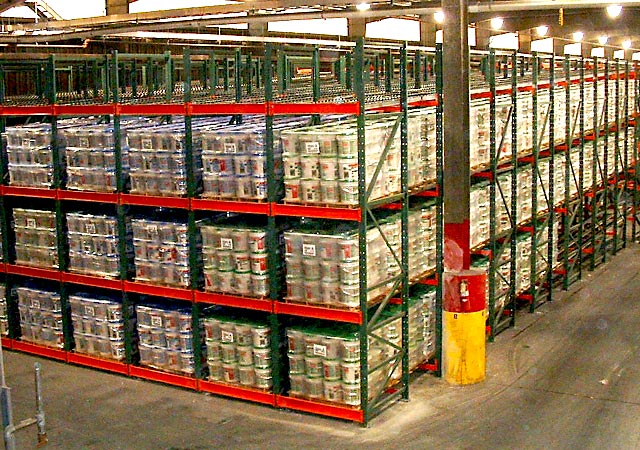
Pallet Flow Rack
Load one side, pick the other, and let gravity enforce first in, first out.
View detailsNearby Areas We Also Serve
Our delivery and installation territory covers the Tulsa metro and northeastern Oklahoma, with project scope and timing agreed for each building.
Where We Work
Located in Tulsa, we serve the entire Tulsa metro with industrial pallet racks and warehouse storage solutions.
Tulsa Pallet Rack
Address
3171 S 129th E Ave.
Ste A #5316
Tulsa, OK 74134
Phone
(918) 296-8162Business Hours
Monday - Friday: 8:00 AM - 6:00 PM
Saturday: Closed
Sunday: Closed
Need Drive-In Rack in Muskogee?
Call (918) 296-8162 or request a quote and we will get a layout started.