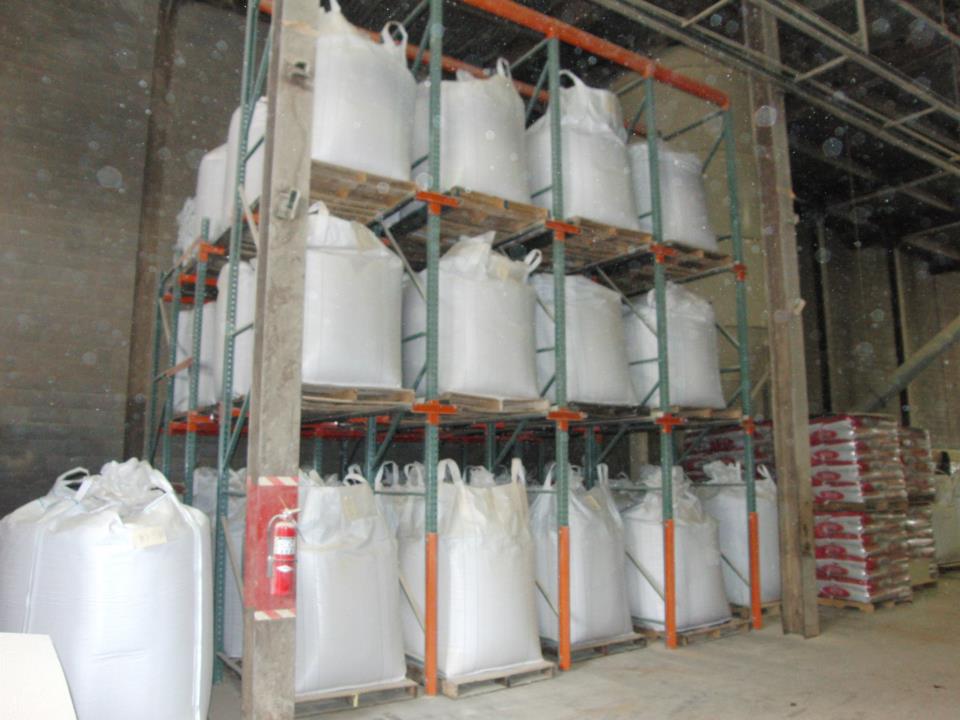
Drive-In Rack in Catoosa, OK
Catoosa drive-in rack can turn repeated full-pallet inventory into a compact reserve block without allocating an aisle to every row. It provides some of the densest storage when many pallets belong to a few SKUs. The decision starts with inventory patterns, not with filling every available square foot.
A drive-in pallet rack proposal should show where receiving ends and storage begins. Deep lanes need clear approaches, consistent pallets and a defined retrieval sequence. If incoming loads sit in front of the entrances, the planned capacity becomes difficult to use even when empty positions remain inside.
As a division of Warehouse Equipment & Supplies Co., we have supplied and installed rack systems since 1997. We establish pallet support, truck clearances and protection together, then relate the rack block to the working space needed for unloading, staging and daily movement.
Drive-in rack lanes and inventory direction
Forklifts travel inside drive-in pallet rack lanes to place pallets on continuous support rails. Because the truck enters between frames, the storage dimensions must account for both its movement and the load above it; a pallet-position diagram alone does not establish a workable layout.
One open end
Drive-in storage generally follows LIFO, last-in, first-out. Loads nearest the entry must be removed before pallets stored behind them become accessible.
Two open ends
Drive-thru racking can provide FIFO, first-in, first-out, when one end receives and the opposite end dispatches. Allow handling aisles on both sides rather than counting that space as additional storage.
Rails and guides
Select rail support and guide spacing for the actual pallet underside, load weight and truck dimensions. Overhang and inconsistent pallet construction need review before the lane width is fixed.
Truck envelope
Mast height, truck width and turning clearance decide lane dimensions and approach requirements. Check attachments and loaded lifting capability at the intended upper level, not just nominal truck capacity.
Where drive-in pallet rack suits bulk inventory
Repeated packaged material can share deep lanes when product assignment and stock rotation are stable. Keep each lane compatible with the intended retrieval order. A large total inventory does not automatically justify depth if that inventory is spread across many products with only one or two pallets of each.
Cooler and freezer storage can benefit from fewer aisles inside the refrigerated cube, leaving more space for pallet positions. Compare that gain against rotation needs and real lane occupancy. For frequent individual access, selective rack is a stronger starting point; pushback is worth reviewing when lane storage fits but truck entry does not.

Operations We Rack Around Here
For port-area bulk distribution and manufacturing near Tulsa Port of Catoosa, separate freight staging from the drive-in rack footprint. I-44 / SH-66 connections and McClellan-Kerr Arkansas River Navigation System barge access are reasons to review incoming load formats before sizing rails for the pallets that will actually enter storage.
Protect entries and preserve freight access
Include guide rails to establish the travel path, column guards at exposed uprights and rail-end protection at vulnerable entrances. Check the finished opening with all protection included. A layout should not rely on removing guards to make a particular forklift fit inside the lane.
Confirm pallet condition before loading and establish a way to report bent rails or damaged frames. Changes in packaging, weight or pallet footprint deserve another review, especially when inbound freight arrives on formats different from those used internally. Do not assume a smaller pallet will receive adequate rail support.
Installation planning should identify unloading space, assembly areas and the sequence for handing storage back to operations. Keep staging separate from active freight routes. Hot, humid summer conditions in non-air-conditioned buildings can affect work arrangements, while severe weather or winter ice may require changes to delivery and installation scheduling.
Recent Installations
Racking projects completed for warehouses across the Tulsa metro and northeastern Oklahoma.


Get a Catoosa drive-in rack layout priced
Provide representative pallet measurements, maximum loaded heights and weights, quantities by SKU and truck specifications. Mark freight staging, columns, doors and the area that can be released for installation. With those inputs, we can compare practical drive-in rack storage blocks and identify where extra density would compromise access. Call (918) 296-8162.
Tulsa Pallet Rack
3171 S 129th E Ave.
Ste A #5316
Tulsa, OK 74134
(918) 296-8162Monday - Friday: 8:00 AM - 6:00 PM
Questions about port-area pallet storage
Other Rack Types We Supply in Catoosa
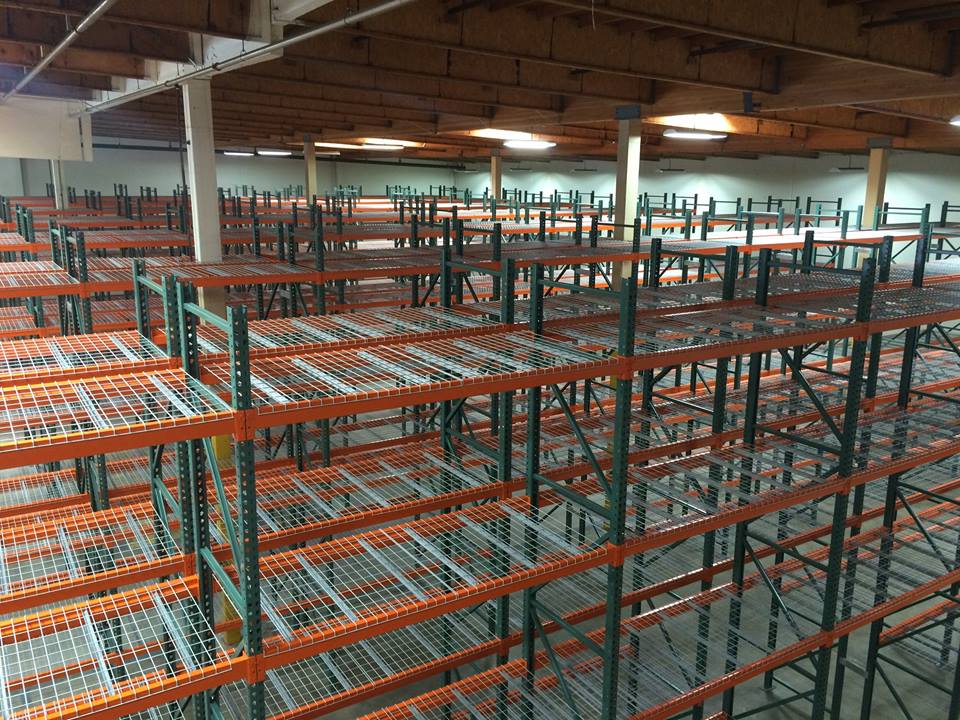
Pallet Rack
Every pallet reachable, every time. The baseline we size everything else against.
View details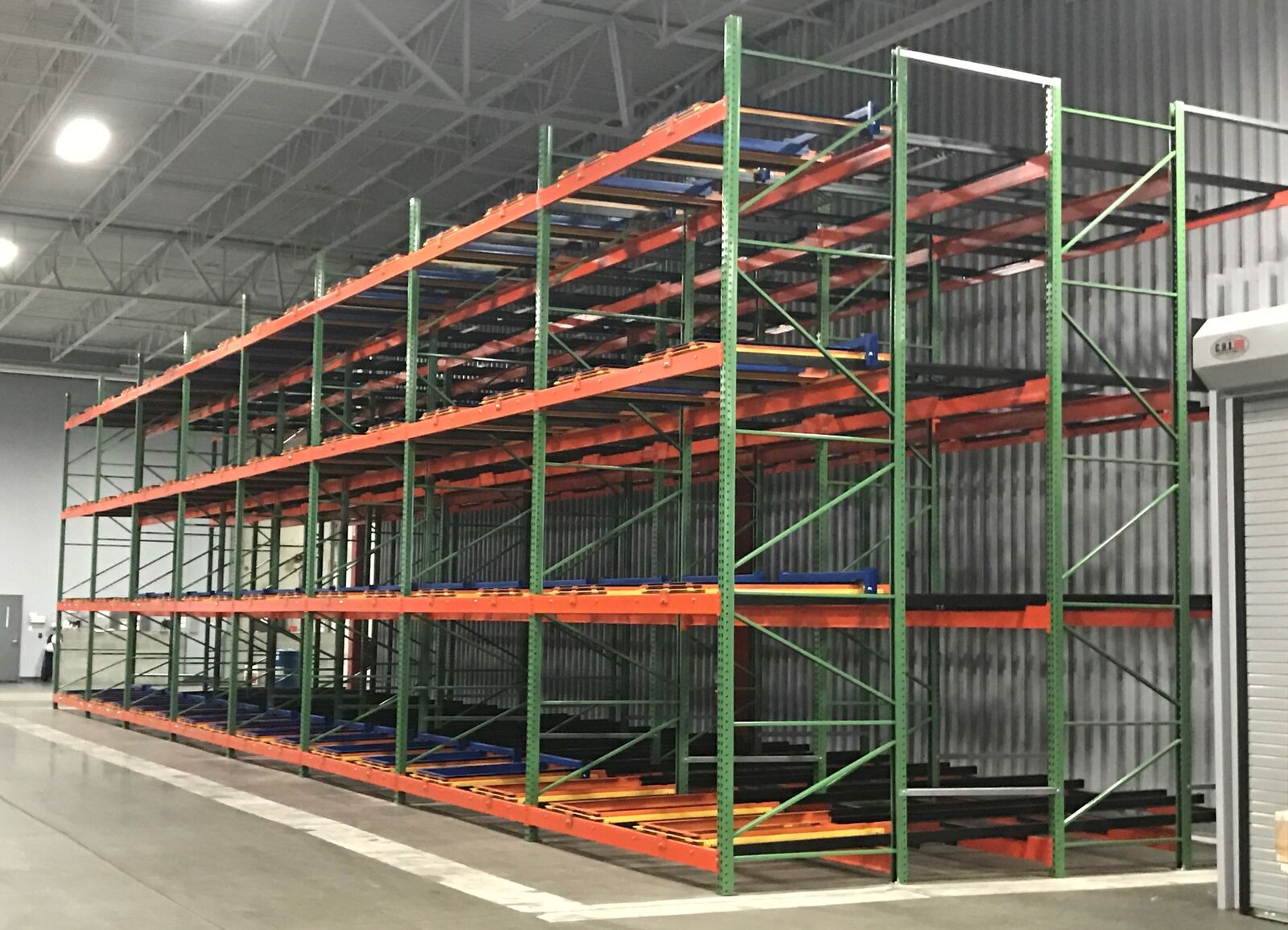
Pushback Rack
Two to six pallets deep from one aisle, without giving up much reach.
View details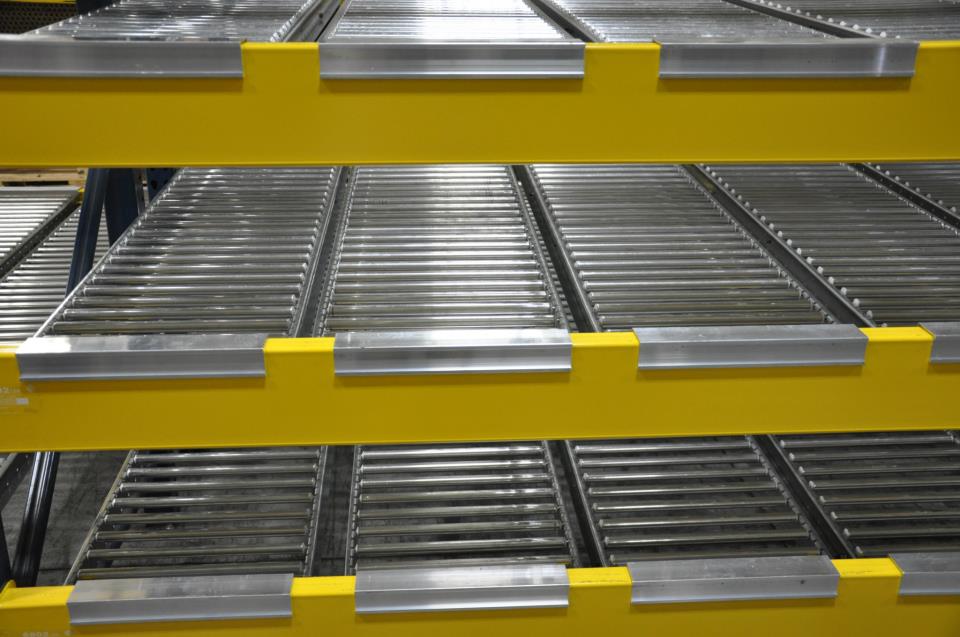
Carton Flow Rack
Cases advance to the picker instead of the picker hunting for cases.
View details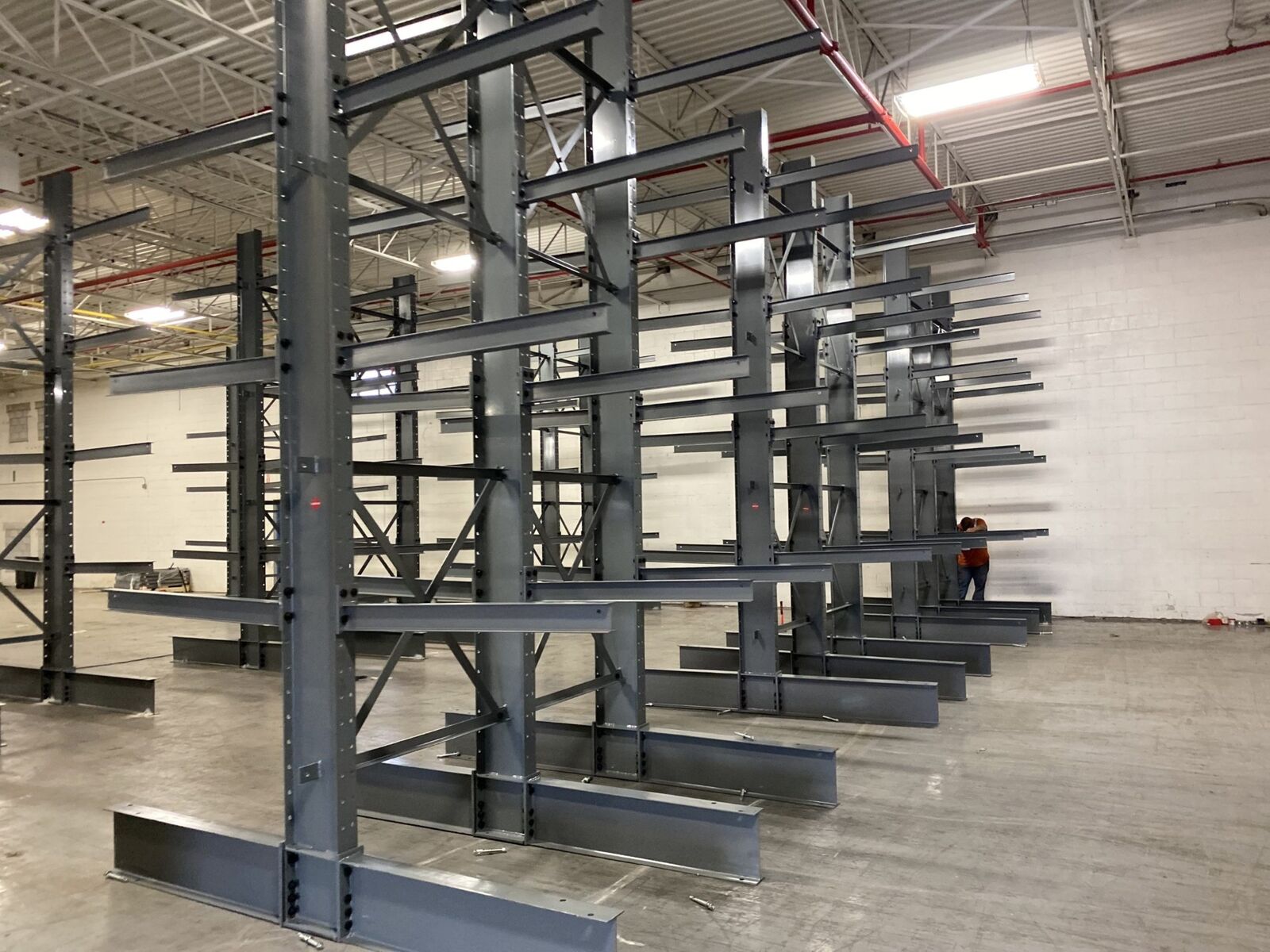
Cantilever Rack
Arms with nothing in front of them, built for lumber, pipe, and anything a pallet can't hold.
View details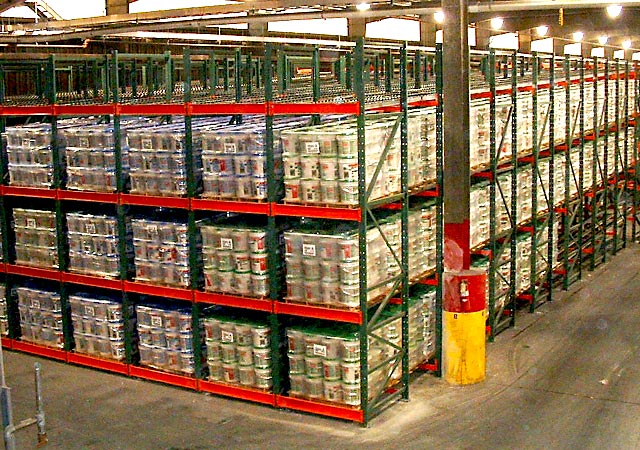
Pallet Flow Rack
Load one side, pick the other, and let gravity enforce first in, first out.
View detailsNearby Areas We Also Serve
Our delivery and installation territory covers the Tulsa metro and northeastern Oklahoma, with project scope and timing agreed for each building.
Where We Work
Located in Tulsa, we serve the entire Tulsa metro with industrial pallet racks and warehouse storage solutions.
Tulsa Pallet Rack
Address
3171 S 129th E Ave.
Ste A #5316
Tulsa, OK 74134
Phone
(918) 296-8162Business Hours
Monday - Friday: 8:00 AM - 6:00 PM
Saturday: Closed
Sunday: Closed
Need Drive-In Rack in Catoosa?
Call (918) 296-8162 or request a quote and we will get a layout started.