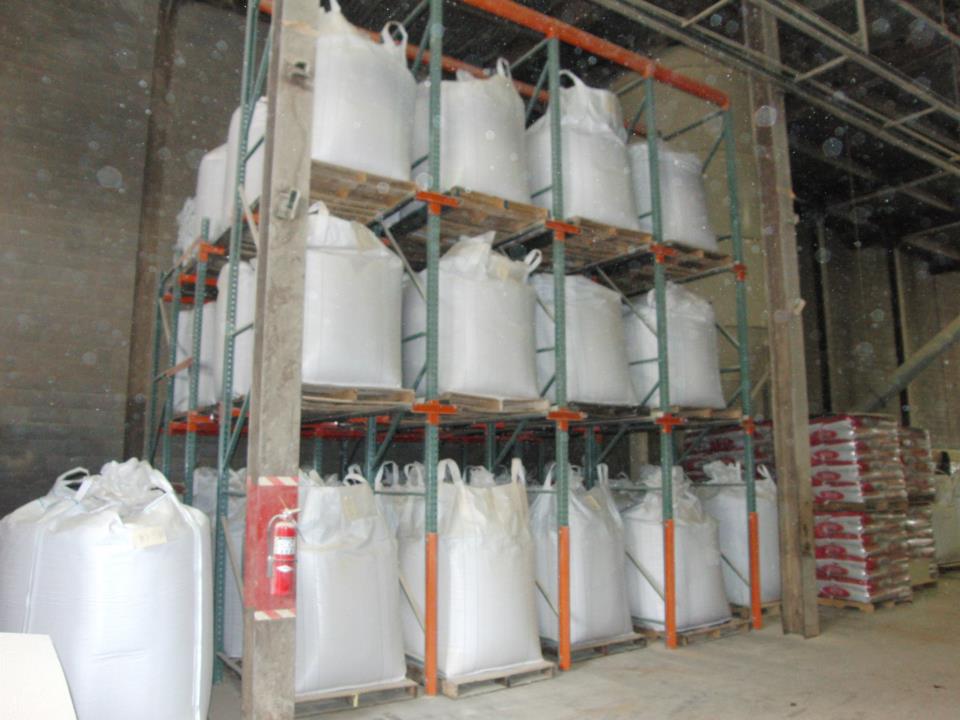
Drive-In Rack in Pryor, OK
Pryor drive-in rack works best when production or distribution generates substantial quantities of the same palletized products. Deep lanes replace multiple access aisles with storage, making this one of the densest pallet arrangements. The operating requirement is straightforward: many pallets of a few SKUs, with a retrieval sequence the business can accept.
With drive-in pallet rack, reserve storage becomes a lane-by-lane inventory decision. Count typical holdings, peak receipts and batches that cannot be mixed. Those numbers reveal whether a deep block will remain well occupied or whether shorter lanes would make better use of the available building.
Tulsa Pallet Rack operates as a division of Warehouse Equipment & Supplies Co., supplying and installing warehouse rack since 1997. Our equipment scope follows the load data and handling plan, including how operators enter, place pallets and withdraw without contact with the structure.
Drive-in rack density for production reserves
A reserve block can hold repeated material close together while keeping active picking elsewhere. Dedicate lanes by product and any required batch separation. If a plant needs small amounts from many different pallets throughout a shift, direct-access storage may matter more than the additional positions available in a dense block.
In food or beverage coolers and freezers, fewer aisles can mean more storage within the refrigerated cube. Evaluate usable occupancy, not simply the number of rail positions drawn. Pallet consistency, stock age and the truck travel path determine whether that compact arrangement will function without unnecessary load relocation.

Operations We Rack Around Here
Large manufacturing plants and bulk distribution operations at MidAmerica Industrial Park should relate lane depth to production batches and dispatch quantities. Where freight movements connect with US-69 / US-412 or Union Pacific rail, leave receiving and staging capacity outside the drive-in rack so incoming volume does not obstruct lane entrances.
Set dimensions before adding storage levels
Mast height, truck width and turning clearance decide lane dimensions. Include attachments and the loaded pallet envelope, then confirm the truck can handle the load at each proposed elevation. A taller building does not automatically mean the existing truck can serve higher storage levels.
Continuous rails must support the pallet at the intended bearing points. Size rails and guides around maximum loads, pallet construction and operating clearance; review any change in pallet source or dimensions before treating it as interchangeable stock. Keep broken or distorted pallets out of the lanes.
Provide guide rails, column guards and rail-end protection where the entry arrangement requires them. Draw these components into the clearance check from the start. During installation, reserve a defined unloading and assembly area, and agree how finished sections will be released while other parts of the building remain active.
Drive-in pallet rack access, step by step
The forklift drives into each drive-in pallet rack lane and lowers pallets onto continuous support rails running along its sides. Loads occupy positions in depth, so the lane opening and the chosen loading direction establish which pallets can be removed first.
Loading from one face
A single open end normally means LIFO, or last-in, first-out. The front pallets must leave before the operator can retrieve earlier loads farther into the lane.
Working through the block
Drive-thru racking opens both ends to support FIFO, or first-in, first-out. Preserve usable approach aisles at both faces and assign a loading and retrieval direction.
Keeping lanes usable
Match pallets per SKU to the depth and number of lanes provided. Leave a separate place for odd quantities so an incomplete batch does not tie up excessive deep-lane space.
Checking alternatives
Pushback offers lane storage without truck entry, while selective rack provides direct pallet access. Compare them when product variety or retrieval frequency outweighs the value of maximum density.
Recent Installations
Racking projects completed for warehouses across the Tulsa metro and northeastern Oklahoma.


Scope your Pryor drive-in rack project
Send a floor plan with obstructions, load dimensions, maximum weights and the normal pallet count for each bulk product. Add lift-truck specifications and the space available for staging installation materials. We can assess drive-in rack lane depth and handling clearance together rather than treating capacity as an isolated target. Call (918) 296-8162.
Tulsa Pallet Rack
3171 S 129th E Ave.
Ste A #5316
Tulsa, OK 74134
(918) 296-8162Monday - Friday: 8:00 AM - 6:00 PM
Bulk-storage questions from buyers
Other Rack Types We Supply in Pryor
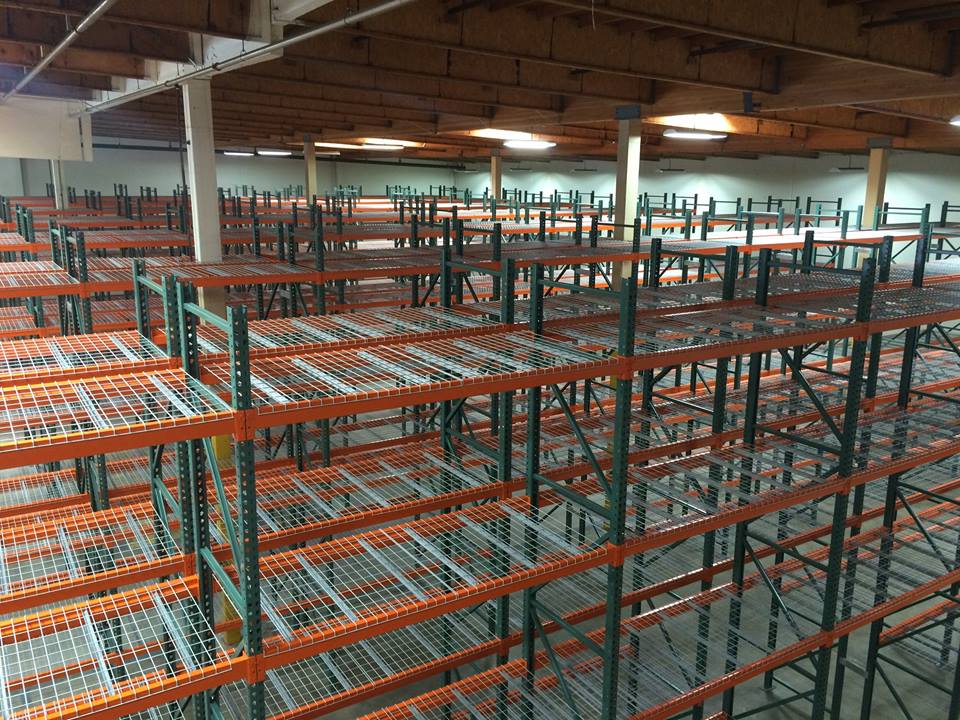
Pallet Rack
Every pallet reachable, every time. The baseline we size everything else against.
View details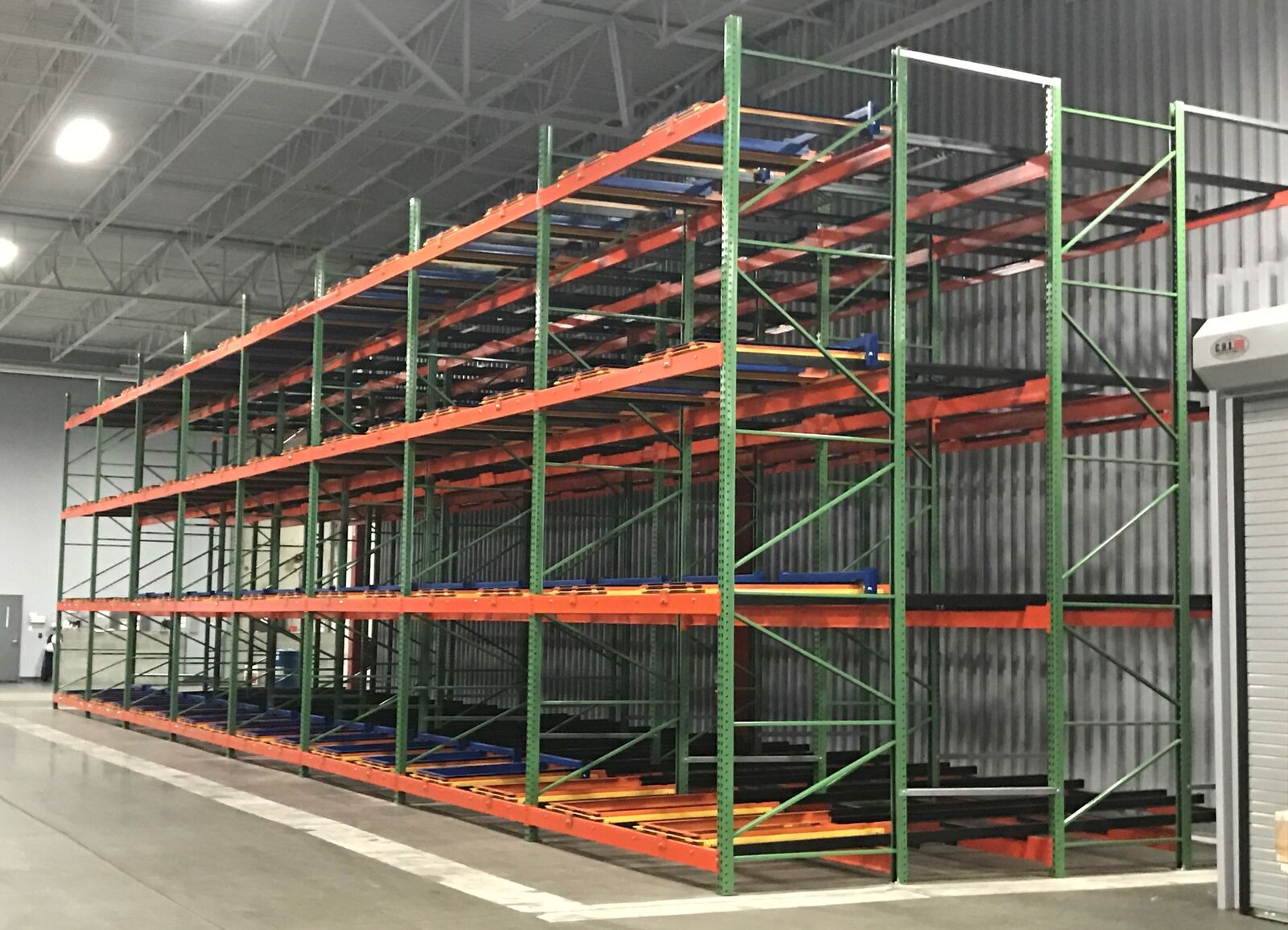
Pushback Rack
Two to six pallets deep from one aisle, without giving up much reach.
View details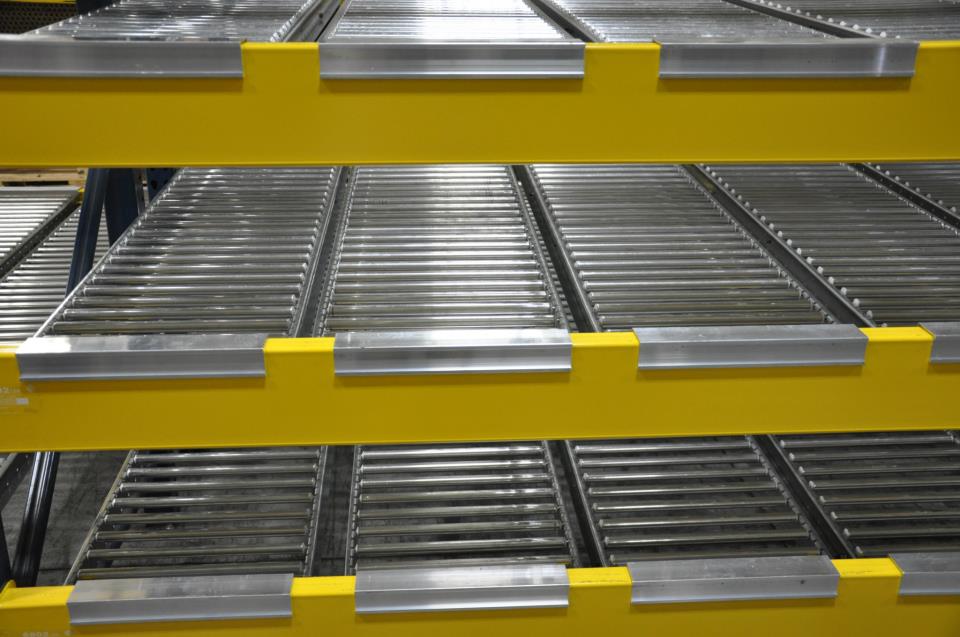
Carton Flow Rack
Cases advance to the picker instead of the picker hunting for cases.
View details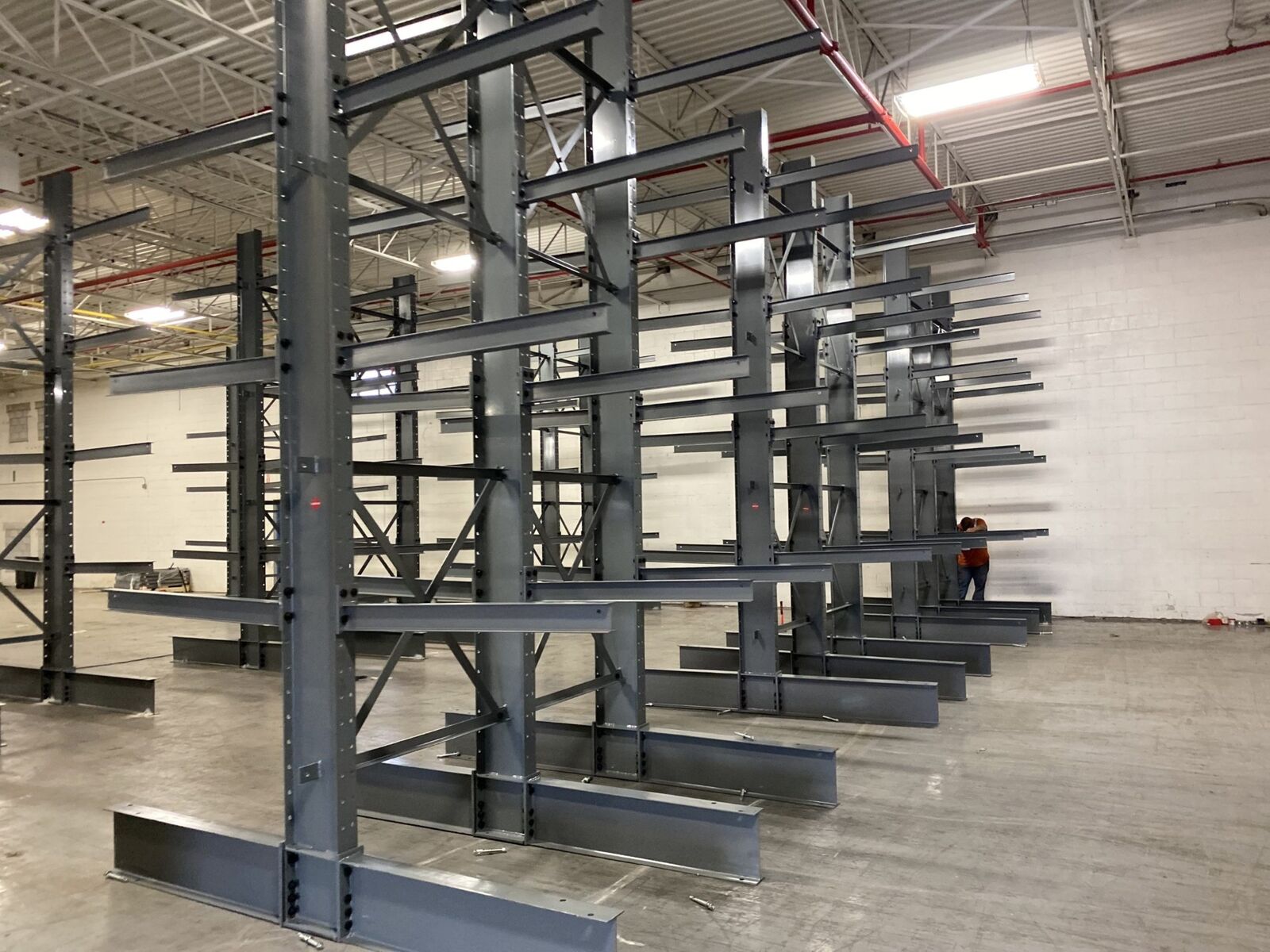
Cantilever Rack
Arms with nothing in front of them, built for lumber, pipe, and anything a pallet can't hold.
View details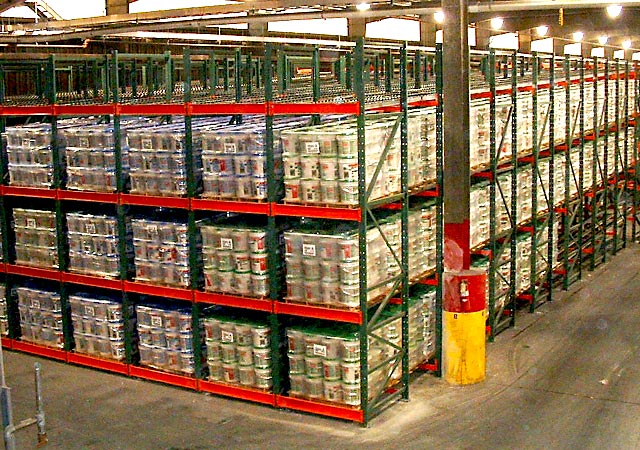
Pallet Flow Rack
Load one side, pick the other, and let gravity enforce first in, first out.
View detailsNearby Areas We Also Serve
Our delivery and installation territory covers the Tulsa metro and northeastern Oklahoma, with project scope and timing agreed for each building.
Where We Work
Located in Tulsa, we serve the entire Tulsa metro with industrial pallet racks and warehouse storage solutions.
Tulsa Pallet Rack
Address
3171 S 129th E Ave.
Ste A #5316
Tulsa, OK 74134
Phone
(918) 296-8162Business Hours
Monday - Friday: 8:00 AM - 6:00 PM
Saturday: Closed
Sunday: Closed
Need Drive-In Rack in Pryor?
Call (918) 296-8162 or request a quote and we will get a layout started.