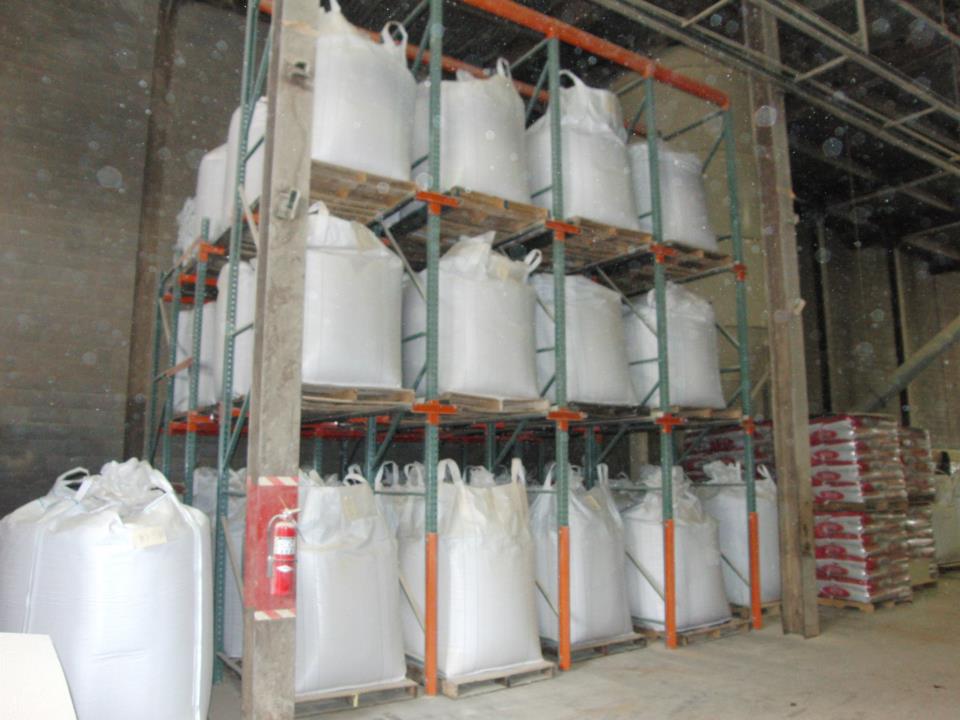
Drive-In Rack in Claremore, OK
Claremore drive-in rack planning should begin with the pallets that repeat, not the total number of products in the warehouse. Deep lanes offer some of the densest storage for many pallets of a few SKUs. They are less forgiving when every incoming load needs its own immediately accessible location.
Choose drive-in pallet rack for reserve stock that moves in predictable groups. The arrangement removes aisles between rows, but each lane still needs a clear product assignment. Set aside accessible positions for short runs, damaged pallets and stock awaiting inspection instead of letting exceptions disrupt the deep storage block.
Our company is a division of Warehouse Equipment & Supplies Co., which has supplied and installed racking since 1997. We review the load, the handling equipment and the way inventory turns before recommending how much of your floor should become lane storage.
Drive-in rack movement from entry to retrieval
In a drive-in pallet rack arrangement, forklifts drive into lanes and place pallets on continuous rails. The rail pair supports the pallet edges while leaving travel space for the truck, so pallet construction and truck geometry must be checked together rather than specified as separate purchases.
Entry sequence
With one open end, drive-in storage normally uses LIFO: last in, first out. Earlier pallets stay behind later loads until the front positions have been cleared.
Through sequence
Drive-thru racking has open access at both ends and can support FIFO: first in, first out. Keep the loading face and retrieval face available if that rotation is part of the plan.
Clearance envelope
Truck width, mast height and turning clearance decide lane dimensions. Include attachments, loaded pallet overhang and the approach turn when checking the working envelope.
Support geometry
Rail size and spacing must suit pallet bearing surfaces, maximum load and lane configuration. Position guides to lead the truck without interfering with its wheels or reducing needed operating clearance.
Design around the building you actually operate
An older manufacturing warehouse with 18–24 ft clear height needs a different level arrangement from a newer 32–36+ ft clear bulk building. Neither clear-height range establishes usable storage height on its own. Measure the obstructions and confirm the truck can place the specified load at the proposed upper rail.
Include guide rails, column guards and rail-end protection in the first drawing. Entry points take repeated close approaches, and a guard added late can interfere with the turning path. Define damaged-component reporting and keep replacement parts compatible with the installed system rather than mixing unidentified pieces.
Plan delivery unloading, material staging and the sequence for releasing completed areas. A phased installation can preserve access to production, but only if the working boundaries are agreed in advance. Spring severe weather or winter ice can alter access; discuss how schedule changes will be communicated before materials arrive.
When drive-in pallet rack beats another aisle
Food and beverage reserve stock is a useful example of the density tradeoff. A cooler or freezer can gain pallet positions within its existing refrigerated cube by reducing aisle space. Confirm pallet consistency and rotation needs first, because a compact block loses value if operators must relocate loads to reach dated inventory.
Pushback deserves comparison when more SKUs need separate lane access and truck entry is undesirable. Selective storage remains a practical answer for broad assortments, partial pallets and frequent individual picks. A combined layout can keep repetitive bulk stock dense while leaving changing orders accessible near the dispatch area.

Operations We Rack Around Here
Manufacturing and distribution buildings serving Rogers County Industrial Park and SH-66 can need both production reserves and outbound staging. Connections with I-44 / Will Rogers Turnpike make it worth protecting shipping access when laying out the drive-in rack footprint, rather than extending lanes into the working dock area.
Recent Installations
Racking projects completed for warehouses across the Tulsa metro and northeastern Oklahoma.


Request a Claremore drive-in rack proposal
Provide a floor sketch, pallet sizes, maximum loaded weights, load heights and typical quantities by SKU. Add truck specifications and notes about production access that cannot be interrupted. Those details let us compare realistic drive-in rack lane arrangements instead of quoting a position total that may not match daily use. Call (918) 296-8162.
Tulsa Pallet Rack
3171 S 129th E Ave.
Ste A #5316
Tulsa, OK 74134
(918) 296-8162Monday - Friday: 8:00 AM - 6:00 PM
Buyer questions about lane-based storage
Other Rack Types We Supply in Claremore
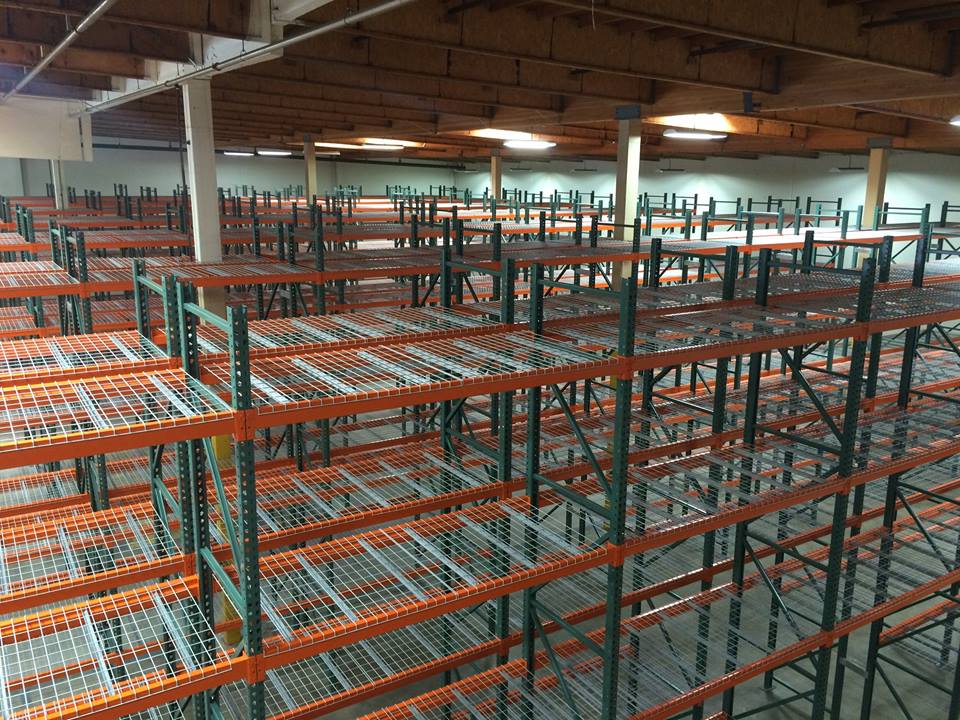
Pallet Rack
Every pallet reachable, every time. The baseline we size everything else against.
View details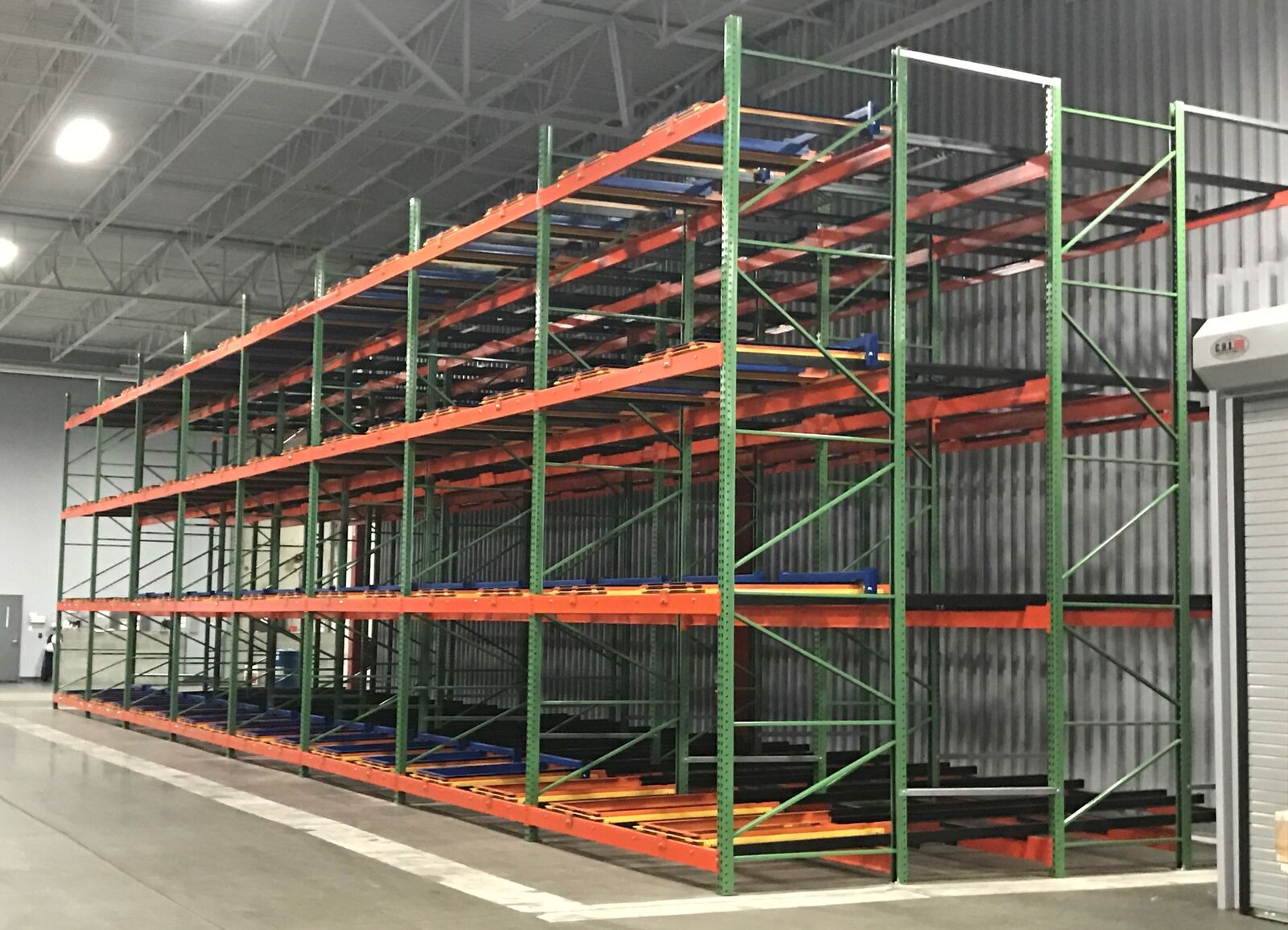
Pushback Rack
Two to six pallets deep from one aisle, without giving up much reach.
View details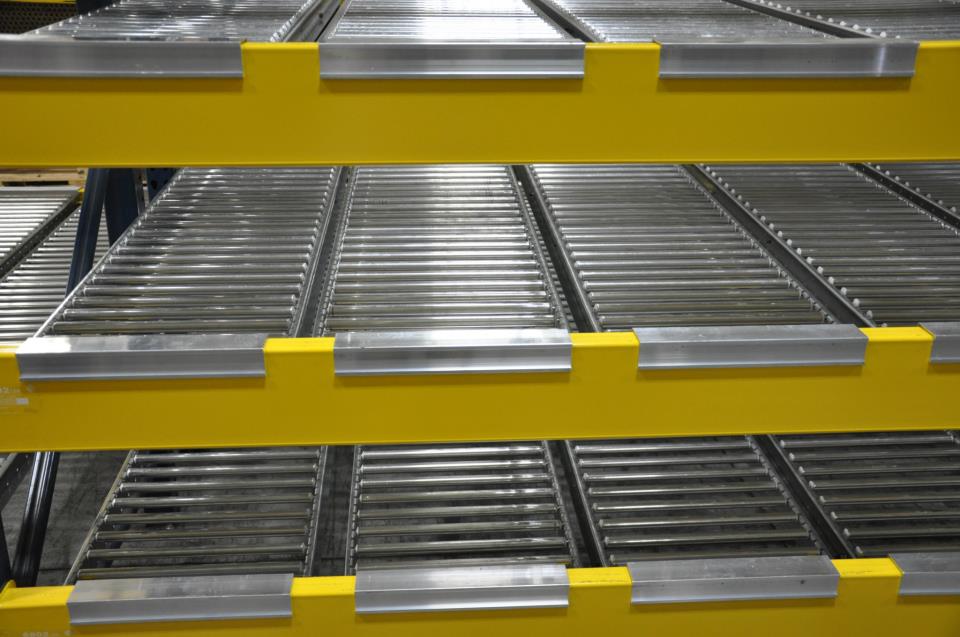
Carton Flow Rack
Cases advance to the picker instead of the picker hunting for cases.
View details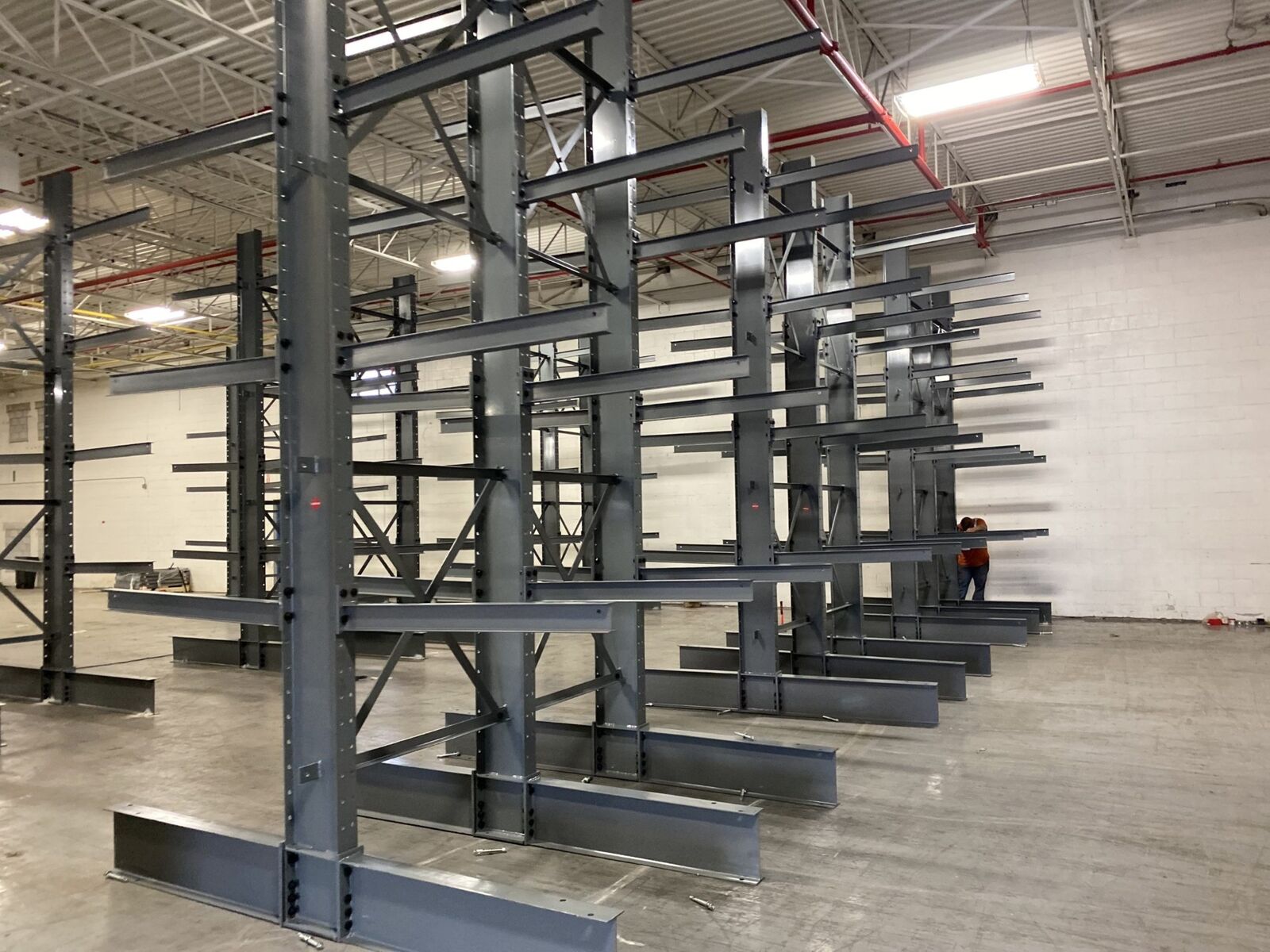
Cantilever Rack
Arms with nothing in front of them, built for lumber, pipe, and anything a pallet can't hold.
View details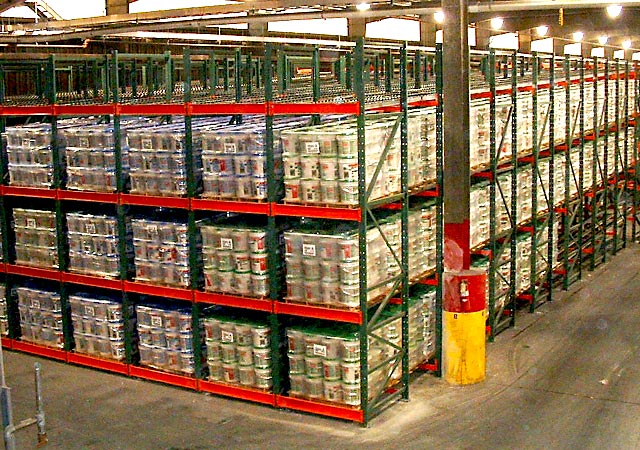
Pallet Flow Rack
Load one side, pick the other, and let gravity enforce first in, first out.
View detailsNearby Areas We Also Serve
Our delivery and installation territory covers the Tulsa metro and northeastern Oklahoma, with project scope and timing agreed for each building.
Where We Work
Located in Tulsa, we serve the entire Tulsa metro with industrial pallet racks and warehouse storage solutions.
Tulsa Pallet Rack
Address
3171 S 129th E Ave.
Ste A #5316
Tulsa, OK 74134
Phone
(918) 296-8162Business Hours
Monday - Friday: 8:00 AM - 6:00 PM
Saturday: Closed
Sunday: Closed
Need Drive-In Rack in Claremore?
Call (918) 296-8162 or request a quote and we will get a layout started.